.png)
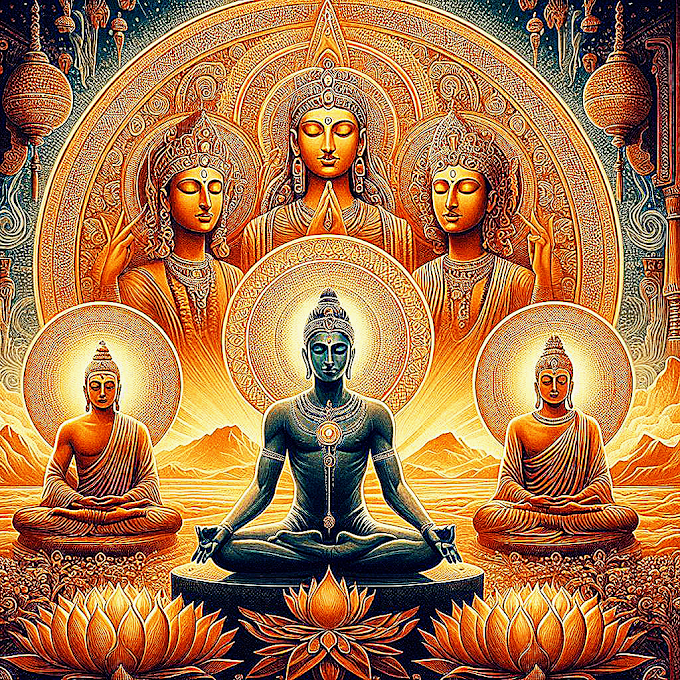
Siddhasana, the Accomplished Pose, balances energy, calms the mind, and supports meditation through classical yogic wisdom.
 |
| Siddhasana: Classical Insights on Accomplished Pose |
Siddhāsana, often translated as the Accomplished Pose or Perfect Pose, holds an exceptionally high status in classical yoga literature. Unlike many physical postures that aim at bodily strength or flexibility, Siddhāsana is primarily a spiritual and meditative seat, designed to stabilize the body, regulate prāṇa, and support the awakening of higher consciousness.
Ancient yogic texts repeatedly emphasize Siddhāsana as one of the most effective postures for dhyāna (meditation), prāṇāyāma, and inner realization. It is considered especially suitable for long-duration sitting, as it combines physical stability with energetic efficiency. For this reason, Siddhāsana is often recommended even above more complex postures for serious spiritual aspirants.
Etymology & Meaning
The term Siddhāsana is derived from two Sanskrit words:
Siddha (सिद्ध) – One who is accomplished, perfected, or spiritually realized
Āsana (आसन) – A seat or posture
Thus, Siddhāsana literally means “the posture of the accomplished one.” Traditionally, it is believed that sincere and disciplined practice of this posture supports the attainment of siddhi—not merely supernatural abilities, but mastery over the body, breath, senses, and mind.
The name also implies that this posture itself is a means toward perfection in meditation, providing the stability and energetic alignment required for inner awakening.
2. Siddhāsana in Traditional Yogic Texts
Hatha Yoga Pradipika
The Hatha Yoga Pradipika places Siddhāsana among the most important meditative postures and speaks of it with exceptional reverence. It describes Siddhāsana as a posture that:
Purifies the nāḍīs (subtle energy channels)
Stabilizes the mind
Facilitates effortless meditation
One celebrated verse declares that among the vast number of yogic postures, Siddhāsana alone is sufficient for attaining success in yoga, highlighting its unparalleled importance. This statement does not diminish other postures but emphasizes that Siddhāsana fulfills the essential requirements of a meditative seat: steadiness, comfort, and energetic balance.
The text further associates Siddhāsana with:
Awakening of Kuṇḍalinī Śakti
Regulation of apāna and prāṇa vāyus
Support for advanced prāṇāyāma practices
By applying gentle pressure near the perineal region, Siddhāsana naturally encourages upward movement of prāṇa, which is central to classical haṭha yoga.
Gheranda Samhita
The Gheranda Samhita presents Siddhāsana as a posture that directly enhances dhyāna and prepares the practitioner for samādhi. It emphasizes that Siddhāsana:
Reduces bodily restlessness
Encourages inward withdrawal of the senses
Supports mental absorption
This text views Siddhāsana as a posture that balances effort and ease, making it ideal for prolonged meditative practice. The body remains still without strain, allowing awareness to detach from physical sensations and rest in subtle perception.
Shiva Samhita
The Shiva Samhita describes Siddhāsana as a key posture for purification and spiritual discipline. It links the posture closely with:
Brahmacharya (conservation and sublimation of vital energy)
Prāṇāyāma
Mental steadiness and clarity
According to this text, Siddhāsana helps regulate sexual and vital energies by stabilizing the lower centers of the body. This regulation is not repression but transformation, redirecting energy toward higher consciousness.
The Shiva Samhita also highlights Siddhāsana’s role in preparing the body for internal yogic processes rather than external displays of flexibility or strength.
3. Energetic and Subtle-Body Significance
From the perspective of subtle anatomy, Siddhāsana is designed to influence the mūlādhāra region and the flow of prāṇa through the central channel.
Key energetic effects include:
Stabilization of apāna vāyu, preventing downward dissipation of energy
Harmonization of prāṇa and apāna, facilitating upward flow
Activation of suṣumṇā nāḍī, essential for deep meditation
The heel placement near the perineum creates gentle stimulation that supports energetic containment and redirection. This makes Siddhāsana particularly effective for inner practices such as mantra japa and breath regulation.
4. Psychological and Meditative Benefits
Siddhāsana fosters a mental state characterized by:
Stillness
Alertness
Inner absorption
Because the posture minimizes physical effort, the mind gradually disengages from bodily awareness. This creates ideal conditions for pratyāhāra (withdrawal of the senses) and dharanā (concentration).
With sustained practice, Siddhāsana cultivates:
Emotional balance
Reduced mental agitation
Enhanced self-observation
The posture encourages the practitioner to remain inwardly anchored, even as thoughts arise and dissolve.
5. Siddhāsana and the Yogic Ideal
Unlike postures aimed at physical accomplishment, Siddhāsana represents the essence of yogic practice: simplicity, discipline, and inward focus. Its repeated praise in classical texts reflects a core yogic principle—that true progress lies not in complexity, but in depth and consistency.
Siddhāsana embodies the yogic ideal of sthira sukha—steadiness combined with ease—making it an enduring seat for those pursuing self-knowledge and liberation.
Siddhāsana is far more than a seated posture; it is a gateway to yogic accomplishment. Revered across classical yogic texts, it is praised for its ability to purify the subtle body, stabilize the mind, and awaken higher awareness. Through disciplined practice, Siddhāsana becomes a powerful ally in meditation, prāṇāyāma, and spiritual transformation.
Its continued relevance lies in its simplicity and depth—offering a timeless reminder that the path to realization begins by learning how to sit still, comfortably, and consciously.
How to Perform Siddhāsana (Accomplished Pose)
Siddhāsana is designed primarily as a meditative seat, not as a display of flexibility. Its effectiveness lies in precise placement, spinal stability, and subtle awareness rather than force or endurance. The posture should feel grounded, balanced, and sustainable for long durations.
A. Preparatory Considerations
Before entering Siddhāsana, ensure the hips, knees, and ankles are reasonably comfortable in seated positions. Gentle stretching of the hips and mindful seated postures help prepare the body. Choose a quiet environment and a firm yet comfortable surface, such as a yoga mat or folded blanket, to support prolonged sitting.
The intention while practicing Siddhāsana should be inward-focused. Approach the posture as a seat for stillness and awareness, not merely a mechanical arrangement of limbs.
B. Step-by-Step Technique
1. Seated Foundation
Sit on the floor with both legs extended forward in a relaxed seated position. Ground the sitting bones evenly. Place the hands beside the hips for support and gently lift through the spine, establishing an upright yet relaxed posture.
Take a few natural breaths to settle the body before moving the legs.
2. Placement of the First Heel
Bend the left leg slowly and guide the left heel toward the perineal region—the space between the anus and genitals. The heel should rest comfortably against this area without discomfort. The sole of the foot rests along the inner thigh of the opposite leg.
This placement is central to Siddhāsana, as it provides gentle stimulation to the pelvic floor and supports energetic containment.
3. Stacking the Second Foot
Now bend the right leg and place the right heel directly above the left heel, pressing lightly against the pubic bone. The right foot should lie comfortably between the thigh and calf of the left leg. Adjust as needed so both knees gradually descend toward the floor without force.
The feet should feel secure and stable, creating a firm base that discourages unnecessary movement.
4. Pelvic Balance and Spinal Alignment
Once the legs are placed, adjust the pelvis so that both sitting bones are evenly grounded. If the pelvis tilts backward, elevate the hips slightly with a folded blanket to maintain natural spinal curves.
Allow the spine to rise effortlessly from the pelvis, keeping the lower back neutral, chest open, and neck aligned. The posture should feel tall yet relaxed, with no rigidity.
5. Upper Body Position
Relax the shoulders downward and slightly back. The chest remains open without puffing. The head balances naturally atop the spine, with the chin neither lifted nor dropped excessively.
Facial muscles, jaw, and tongue remain relaxed, promoting overall ease.
C. Hand Position (Mudra)
Rest the hands on the knees or thighs using one of the following traditional mudras:
Jnana Mudra: Thumb and index finger touching, palms facing downward
Chin Mudra: Thumb and index finger touching, palms facing upward
Both mudras symbolize the union of individual awareness with higher consciousness and help anchor attention inward.
D. Gaze and Inner Focus
For meditative depth, choose one of the following gaze practices:
Eyes Closed: Encourages inward awareness and sensory withdrawal
Nasikagra Drishti: Gentle awareness at the tip of the nose
Shambhavi Mudra: Soft focus between the eyebrows
The gaze should never be strained. The purpose is to steady attention, not to create tension.
E. Breath Awareness and Integration
Once the posture is steady, bring attention to the breath. Allow breathing to become:
Slow
Deep
Rhythmic
Breath should move naturally through the nostrils, subtly expanding the abdomen and chest. Avoid deliberate breath retention unless guided by prior training.
Siddhāsana naturally supports refined breathing by stabilizing the body and calming the nervous system. This makes it ideal for:
Breath observation
Gentle prāṇāyāma
Mantra repetition
F. Mental Attitude During the Posture
The effectiveness of Siddhāsana depends as much on mental attitude as on physical alignment. Cultivate:
Effortless stillness
Alert relaxation
Non-reactive awareness
Thoughts may arise, but the posture encourages the practitioner to observe them without engagement. Over time, this leads to deeper states of concentration and inner silence.
G. Duration of Practice
Beginners may start with 3–5 minutes, gradually extending to 15–30 minutes or more as comfort increases. Siddhāsana is uniquely suited for long sittings because it minimizes muscular fatigue.
Quality of stillness is more important than duration.
H. Modifications and Support
If one side feels tight, alternate leg positioning in subsequent sessions.
Elevating the hips with a cushion can reduce knee strain and improve spinal alignment.
If full Siddhāsana is uncomfortable, a gentler seated posture may be used until flexibility improves.
There should be no sharp pain, numbness, or excessive pressure.
I. Energetic and Subtle Awareness
Siddhāsana gently stabilizes the pelvic region, helping regulate downward-moving energy and encouraging upward flow along the spine. This containment supports inner stillness and heightened sensitivity to subtle sensations.
Practitioners may gradually become aware of:
Subtle pulsations in the spine
Natural pauses in the breath
Increased clarity and calmness
These experiences should be observed without attachment.
J. Releasing the Posture
To exit Siddhāsana:
Slowly open the eyes
Gently release the upper foot first
Extend both legs forward and relax
Take a few moments to notice the effects of the posture before moving on.
Siddhāsana is a posture of precision, patience, and inward depth. When practiced correctly, it offers a stable foundation for meditation, breath regulation, and inner exploration. Its true mastery lies not in physical effort, but in the ability to sit comfortably, breathe calmly, and remain inwardly attentive for extended periods. Through consistent and mindful practice, Siddhāsana becomes a powerful ally on the path of yogic realization.
4. Benefits of Siddhāsana (Accomplished Pose)
Siddhāsana is regarded in the yogic tradition as one of the most potent meditative postures, valued not for physical complexity but for its profound influence on prāṇa, mind, and consciousness. Its benefits unfold on multiple levels—spiritual, mental, energetic, and physical—making it a cornerstone posture for serious practitioners.
A. Spiritual and Energetic Benefits
Rather than forcing awakening, Siddhāsana encourages a gradual and balanced unfolding, which is considered safer and more sustainable in classical yoga.
Practitioners often report a feeling of centeredness and alignment, both physically and energetically, as practice deepens.
Balanced prāṇa supports vitality, mental clarity, and emotional equilibrium.
B. Mental and Psychological Benefits
Over time, practitioners experience improved focus not only during meditation but also in daily activities.
Regular practice cultivates a stable inner environment where thoughts lose their disruptive power.
C. Benefits for Meditation and Yogic Practices
The posture becomes almost effortless with practice, allowing awareness to remain uninterrupted.
By maintaining stillness in the body, the practitioner can focus entirely on subtle breath regulation and inner observation.
D. Physical and Structural Benefits
E. Long-Term Transformational Benefits
Integrative Perspective
Siddhāsana is not merely a posture but a foundation for yogic transformation. Its benefits arise not from intensity, but from subtle precision and regularity. By balancing effort and ease, grounding and elevation, stillness and awareness, Siddhāsana supports the full spectrum of yogic practice—from calming the mind to awakening higher consciousness.
The benefits of Siddhāsana extend far beyond physical comfort. Revered across yogic traditions, it is praised for its ability to regulate prāṇa, stabilize the mind, and support spiritual awakening. When practiced with patience and awareness, Siddhāsana becomes a powerful seat for meditation, prāṇāyāma, and inner exploration—offering a timeless path toward clarity, balance, and self-realization.
Precautions & Contraindications
Siddhasana (सिद्धासन), often referred to as the “accomplished pose,” is a classical meditative posture described in texts such as the Hatha Yoga Pradipika and Gheranda Samhita. It is revered for its ability to stabilize the body and mind, making it conducive for meditation and pranayama. However, like all yogic practices, Siddhasana requires awareness of physical limitations and medical conditions. Practicing without proper precautions can lead to discomfort or injury, particularly in individuals with musculoskeletal or neurological issues.
This section explores the precautions and contraindications associated with Siddhasana, integrating traditional yogic wisdom with modern anatomical and medical perspectives.
5.1 Musculoskeletal Considerations
Severe Knee Injuries
Siddhasana involves flexion and external rotation of the knees. Individuals with ligament tears, meniscus injuries, or arthritis should avoid this posture.
Pressure on the knee joint can exacerbate pain and inflammation.
Alternative postures such as Vajrasana or Ardha Padmasana may be safer.
Hip Injuries or Limited Mobility
Hip joint flexibility is essential for Siddhasana. Conditions such as labral tears, osteoarthritis, or hip replacements make the posture unsafe.
Forcing the hips into external rotation can cause strain or dislocation.
Ankle Injuries
The posture requires dorsiflexion and stability of the ankles. Sprains, fractures, or chronic instability can worsen with Siddhasana.
Practitioners with weak ankles should use props or avoid the pose.
5.2 Neurological Considerations
Sciatica and Nerve-Related Pain
Siddhasana places pressure on the sciatic nerve pathway. Individuals with sciatica, herniated discs, or nerve compression should avoid the pose.
Prolonged sitting in Siddhasana can aggravate nerve pain, leading to numbness or tingling in the legs.
Peripheral Neuropathy
Conditions such as diabetes-related neuropathy can cause reduced sensation in the legs. Practicing Siddhasana may lead to unnoticed injuries or circulatory issues.
5.3 Circulatory Considerations
Varicose Veins and Circulatory Disorders
Siddhasana involves prolonged pressure on the legs, which can impede blood flow.
Individuals with varicose veins, deep vein thrombosis (DVT), or peripheral vascular disease should avoid the posture.
Swelling and Edema
Those with chronic swelling in the legs may experience worsening symptoms due to restricted circulation.
5.4 Other Medical Contraindications
Pregnancy
Siddhasana is generally not recommended during pregnancy, especially in later stages, due to pressure on the abdomen and pelvis.
Safer alternatives include Sukhasana (easy pose) or supported seated positions.
Post-Surgical Recovery
Individuals recovering from surgeries involving the knees, hips, spine, or abdomen should avoid Siddhasana until cleared by a physician.
Chronic Pain Conditions
Conditions such as fibromyalgia or chronic lower back pain may be aggravated by prolonged sitting in Siddhasana.
5.5 Practical Precautions
Warm-Up and Preparation
Gentle stretches for the hips, knees, and ankles should precede Siddhasana.
Preparatory poses include Baddha Konasana (bound angle pose) and Supta Virasana (reclined hero pose).
Use of Props
Cushions or folded blankets under the hips can reduce strain on the knees and ankles.
Supportive props help maintain alignment and comfort.
Duration of Practice
Beginners should limit practice to a few minutes, gradually increasing duration as flexibility improves.
Prolonged sitting should be avoided until the body adapts.
Awareness of Sensations
Practitioners should monitor for numbness, tingling, or pain in the legs.
Discomfort indicates misalignment or strain and should not be ignored.
5.6 Philosophical and Yogic Context
Balance of Effort and Ease (Sthira Sukham Asanam)
Patanjali’s Yoga Sutras (2.46) emphasize that asana should be steady yet comfortable. Siddhasana should never cause pain or strain.
The goal is meditative stability, not physical achievement.
Detachment from Ego
Forcing the body into Siddhasana despite limitations reflects attachment to ego. True yogic practice emphasizes self-awareness and compassion.
Alternative Meditative Postures
Sukhasana (easy pose), Vajrasana (thunderbolt pose), and Ardha Padmasana (half lotus) provide alternatives for those unable to practice Siddhasana safely.
5.7 Modern Medical Insights
Joint Health
Orthopedic studies highlight the risks of prolonged flexion in compromised joints.
Yoga therapy recommends individualized modifications based on medical history.
Circulatory Health
Prolonged sitting can reduce venous return from the legs. Regular movement and posture changes are essential.
Neurological Health
Compression of nerves during seated postures can lead to neuropathic pain. Awareness and adjustment are crucial.
5.8 Guidelines for Safe Practice
Consultation with a Physician
Individuals with medical conditions should consult healthcare providers before practicing Siddhasana.
Gradual Progression
Flexibility and strength should be developed gradually through preparatory poses.
Integration with Breathwork
Gentle pranayama can be practiced in alternative seated postures if Siddhasana is contraindicated.
Holistic Approach
Yoga should be adapted to individual needs, emphasizing safety, comfort, and mindfulness.
Siddhasana is a revered meditative posture, but it requires careful consideration of physical and medical limitations. Contraindications include severe knee, hip, or ankle injuries, sciatica, circulatory disorders, pregnancy, and post-surgical recovery. Precautions involve warm-up exercises, use of props, gradual progression, and awareness of sensations.
Philosophically, Siddhasana embodies stability and ease, but forcing the body into the posture contradicts yogic principles of compassion and detachment. Modern medical insights reinforce the importance of individualized practice, highlighting risks related to joint, circulatory, and neurological health.
Ultimately, Siddhasana should be approached with mindfulness and respect for the body’s limitations. Alternatives such as Sukhasana or Vajrasana provide safe options for meditation, ensuring that the pursuit of spiritual growth remains harmonious with physical well-being.
Siddhāsana vs. Padmāsana
(A Comparative Analysis)
Both Siddhāsana and Padmāsana are revered seated postures in classical yoga, primarily intended for meditation, prāṇāyāma, and spiritual discipline. While they share the common goal of stabilizing the body and mind, their structure, demands, and energetic emphasis differ significantly. Understanding these differences helps practitioners choose the posture most appropriate to their physical condition and spiritual objectives.
1. Structural Configuration of the Legs
The heel placement provides gentle stimulation to the pelvic floor, supporting internal regulation rather than external symmetry.
2. Flexibility and Physical Demand
Siddhāsana
Requires moderate flexibility
Places minimal strain on the knees when performed correctly
Adaptable for long sittings
Easier to maintain without muscular tension
This makes Siddhāsana suitable for practitioners at various stages, including those who may not yet have fully open hips.
Padmāsana
Requires high hip and knee flexibility
Demands careful preparation and gradual adaptation
Can cause strain if forced
Best suited for bodies already conditioned through preparatory practices
Padmāsana is often considered a culmination posture rather than an entry-level seat.
3. Accessibility and Recommended Practitioners
4. Primary Yogic Focus
Regulation of prāṇa and apāna
Stabilization of the pelvic region
Facilitation of upward energy flow
Preparation for deep meditation and breath control
Its design is particularly effective for managing subtle energies and cultivating inner stillness.
Physical immobility
Symmetrical alignment
Sustained meditative absorption
Long-duration sitting without bodily collapse
It provides a visually and energetically balanced seat that supports prolonged contemplative states.
5. Energetic and Subtle-Body Effects
Siddhāsana
Direct stimulation of the lower energy centers
Strong influence on the central energy pathway
Encourages conservation and redirection of vital energy
Particularly supportive of prāṇāyāma and internal practices
Padmāsana
Creates a closed energetic circuit in the lower body
Supports balance between left and right energy flows
Encourages upward movement of awareness
Often associated with advanced meditative absorption
Both postures aim to support inner awakening, but Siddhāsana emphasizes regulation, while Padmāsana emphasizes stability and symmetry.
6. Comfort and Duration
Siddhāsana
Generally more comfortable for extended sittings
Less likelihood of numbness or joint strain
Suitable for daily meditation routines
Padmāsana
Can be extremely stable once mastered
May cause discomfort if flexibility is insufficient
Often requires years of preparation for effortless sitting
7. Symbolic and Philosophical Dimensions
8. Practical Application in Yogic Training
Siddhāsana is often preferred in:
Prāṇāyāma sessions
Daily meditation practice
Teacher-training programs
Situations requiring long, stable sitting
Padmāsana is often preferred in:
Advanced meditation retreats
Ceremonial or ritual contexts
Iconographic and symbolic practices
Practitioners with established flexibility
Comparative Overview Table
| Aspect | Siddhāsana | Padmāsana |
|---|---|---|
| Leg Position | One heel at perineum, other above | Both feet on opposite thighs |
| Flexibility Required | Moderate | High |
| Accessibility | Beginners to advanced | Advanced practitioners |
| Primary Emphasis | Energy regulation & meditation | Deep meditative stability |
| Joint Stress | Minimal if aligned | High if unprepared |
| Duration Suitability | Excellent for long sittings | Excellent once mastered |
| Symbolism | Accomplishment & discipline | Enlightenment & purity |
Both Siddhāsana and Padmāsana are profound meditative postures, each serving a distinct yet complementary purpose in yogic practice. Siddhāsana offers accessibility, energetic refinement, and long-term sustainability, making it ideal for consistent daily practice. Padmāsana, with its demanding structure and symbolic depth, offers unparalleled meditative stability for advanced practitioners.
Rather than viewing them as competing postures, classical yoga regards them as different gateways to the same inner destination. The true measure of success lies not in the complexity of the posture, but in the depth of awareness it supports.
Conclusion
Siddhasana is a sacred yogic posture that helps in deepening meditation, balancing prana, and attaining higher consciousness. Traditional yogic texts praise its benefits, making it an essential practice for serious spiritual seekers. With proper dedication and mindfulness, Siddhasana can serve as a powerful tool for inner transformation.
"Through Siddhasana, one attains stillness; through stillness, one finds the Self."
References
Hatha Yoga Pradīpikā (Svātmārāma, 15th century) – Describes Siddhāsana as one of the most important meditation postures, often considered equal to Padmāsana.
Gheraṇḍa Saṁhitā – Lists Siddhāsana among the key seated asanas for dhyāna and prāṇāyāma.
Śiva Saṁhitā – Highlights Siddhāsana as a posture that stabilizes prāṇa and aids meditation.
Vyāsa Bhāṣya on Yoga Sūtras – Explains the importance of stability and ease in meditative postures, relevant to Siddhāsana.
Bhoja Rāja – Rāja Mārtāṇḍa – Commentary elaborating on the role of accomplished postures in meditation.
FAQ
Q1. What is the main benefit of Siddhasana?
Ans: The main benefit of Siddhāsana is that it stabilizes the body and mind, making it highly effective for meditation and pranayama. It helps balance energy flow, enhances concentration, and supports inner stillness for deeper spiritual practice.
Q2. Which Asana purifies 72,000 nadis?
Ans: Siddhāsana (Accomplished Pose) is traditionally described in classical yogic texts as purifying the 72,000 nāḍīs, or subtle energy channels. It is considered one of the most powerful meditation postures, supporting energy balance and spiritual advancement.
Q3. What is the correct position for Siddhasana?
Ans: In Siddhāsana, one heel is placed at the perineum and the other against the pubic bone, with both knees resting on the ground. The spine remains erect, hands placed on the knees, and the gaze steady, creating stability for meditation and pranayama.
Q4. How do you demonstrate Siddhasana practical?
Ans: To demonstrate Siddhāsana, sit with one heel pressing the perineum and the other placed near the pubic bone, keeping both knees on the ground. Maintain an erect spine, rest the hands on the knees in a mudra, and breathe steadily to show its meditative stability.
Q5. What is the science behind Siddhasana?
Ans: The science behind Siddhāsana lies in its ability to stabilize the body, calm the nervous system, and regulate energy flow through the subtle nāḍīs. By aligning the spine and applying gentle pressure at energy centers, it enhances concentration, supports pranayama, and promotes physiological balance.
Q6. What are the 5 main benefits of yoga?
Ans: The five main benefits of yoga are improved flexibility and strength, reduced stress, better posture, enhanced sleep quality, and overall mental clarity. Together, these effects support physical health, emotional balance, and a more mindful lifestyle.


.png)