.png)
Padmasana, the Lotus Pose, fosters calm, stability, and focus, making it ideal for meditation and mindfulness practice.
 |
| Padmasana: A Meditative Lotus Posture |
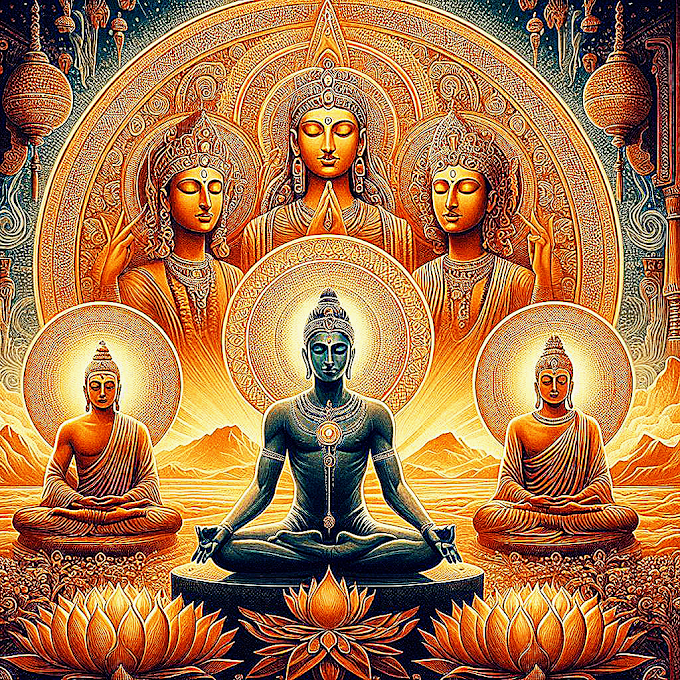
Padmasana (पद्मासन), commonly known as the Lotus Pose, is one of the most sacred and emblematic postures in the yogic tradition. More than a physical seat, Padmasana is regarded as a symbolic and energetic posture designed to facilitate deep meditation, pranayama, and higher states of consciousness.
The term Padmasana is derived from Sanskrit:
Padma (पद्म) – Lotus, symbolizing purity, transcendence, detachment, and spiritual awakening
Āsana (आसन) – Seat or posture
Just as the lotus rises unstained from muddy waters, Padmasana represents the yogi’s capacity to remain inwardly pure and undisturbed amidst worldly experiences. This posture creates an unmoving physical base, allowing the mind to settle naturally and awareness to turn inward.
Traditionally, Padmasana is associated with stability (sthira), ease (sukha), and energetic alignment, making it a preferred seat for prolonged meditation, mantra japa, and advanced breath practices. By locking the lower limbs in a symmetrical position, the posture minimizes physical distractions and redirects pranic flow toward the spine and higher centers of consciousness.
2. Padmasana in Traditional Yogic Texts
Classical yogic scriptures consistently revere Padmasana as one of the most effective meditative postures, particularly for those pursuing spiritual realization rather than merely physical health.
Hatha Yoga Pradipika
In the Hatha Yoga Pradipika, Padmasana is described as a supreme meditative posture capable of destroying diseases, stabilizing the body, and preparing the practitioner for higher yogic practices. The text emphasizes that Padmasana facilitates:
Steadiness of posture for long durations
Control over breath and senses
Awakening of dormant spiritual energy (Kundalini)
By pressing the feet against the opposite thighs, subtle pressure is applied to specific nerve points, aiding the containment of prana. The erect spine maintained in Padmasana allows the central energy channel (sushumna nadi) to remain unobstructed, which is considered essential for advanced pranayama and meditation.
The posture is also linked with the spontaneous activation of internal locks (bandhas) when practiced with awareness, further enhancing energetic balance.
Gheranda Samhita
The Gheranda Samhita presents Padmasana as a posture that supports pratyahara, the withdrawal of senses from external objects. According to this text, Padmasana:
Reduces sensory restlessness
Promotes inward absorption
Prepares the mind for dharana (concentration) and dhyana (meditation)
The posture is described not merely as a physical alignment, but as a gateway posture—a bridge between external discipline and internal realization. By immobilizing the body comfortably, Padmasana encourages the practitioner to observe the fluctuations of the mind without reacting to them, a key requirement for meditative absorption.
Shiva Samhita
The Shiva Samhita praises Padmasana for its ability to harmonize the flow of prana through the nadis. It emphasizes that regular practice:
Balances ida and pingala nadis
Directs prana toward the central channel
Enhances clarity, calmness, and inner stillness
The text associates Padmasana with mental purity and spiritual refinement, considering it an ideal seat for dhyana, mantra repetition, and contemplation on higher truths. The posture is also linked with the stabilization of the mind, making it conducive to prolonged inner inquiry.
Patanjali’s Yoga Sutras
While Patanjali’s Yoga Sutras do not explicitly name Padmasana, they define the essential qualities of any meditative posture through the aphorism:
Padmasana exemplifies this principle perfectly. Once mastered, it allows the practitioner to sit effortlessly for extended periods without strain, fulfilling the dual requirement of stability and ease. Patanjali further explains that when posture is perfected, the practitioner becomes unaffected by the dualities of heat and cold, pleasure and pain—conditions naturally supported by Padmasana’s grounded and symmetrical structure.
3. Energetic and Subtle-Body Significance
Beyond anatomy, Padmasana is deeply connected to the subtle body. The crossed legs form a closed energetic circuit, preventing the downward dissipation of prana and encouraging its upward movement along the spine.
Key energetic effects include:
Activation and stabilization of Muladhara and Svadhisthana chakras
Support for the ascent of Kundalini through Sushumna nadi
Enhanced awareness of breath and internal sensations
The upright spine maintained in Padmasana ensures that the head, neck, and trunk remain aligned, facilitating free flow of prana and uninterrupted awareness. This alignment is crucial for deeper meditative states and subtle perception.
4. Psychological and Meditative Benefits
From a psychological perspective, Padmasana promotes:
Mental stillness and emotional balance
Reduction of restlessness and anxiety
Improved concentration and introspective clarity
The immobility of the body reduces sensory input, allowing the practitioner to observe the mind’s patterns without external interference. Over time, this cultivates witness consciousness, a central goal of yogic meditation.
5. Symbolism of the Lotus
The lotus symbolism associated with Padmasana carries profound philosophical meaning. The lotus:
Grows in mud yet remains untouched by it
Blooms toward light, symbolizing awakening
Represents detachment without renunciation
Sitting in Padmasana is thus a living metaphor of the yogic path—remaining rooted in the world while rising toward spiritual freedom.
6. Padmasana as a Meditative Foundation
In traditional yoga, Padmasana is not practiced for flexibility alone. It is considered a seat of transformation, suitable only when the body is adequately prepared through preliminary practices. When approached with patience and discipline, Padmasana becomes an effortless seat for meditation, allowing awareness to transcend the body and rest in stillness.
Padmasana is far more than a seated posture; it is a sacred alignment of body, breath, mind, and energy. Revered across classical yogic texts, it stands as a cornerstone of meditative practice and spiritual discipline. Through steadiness, comfort, and symbolic depth, Padmasana continues to serve as a timeless gateway to inner silence, self-awareness, and higher realization.
Benefits of Padmasana
Padmasana offers multidimensional benefits that extend far beyond physical comfort. Classical yoga views this posture as a transformative seat—one that harmonizes the body, refines the mind, and opens the gateway to spiritual awareness. Its effects unfold progressively, deepening with regular and mindful practice.
A. Physical Benefits
B. Mental & Emotional Benefits
C. Spiritual Benefits
Integrative Perspective
Padmasana works holistically, aligning physical stability with mental clarity and spiritual depth. Its benefits are cumulative, unfolding gradually with consistency and mindfulness. Unlike dynamic postures that primarily condition the body, Padmasana serves as a seat of transformation, supporting the yogic journey from outer discipline to inner realization.
The benefits of Padmasana extend across physical health, psychological balance, and spiritual awakening. Revered across yogic traditions, it stands as a timeless posture that nurtures stillness, awareness, and inner harmony. When approached with patience and respect for the body’s limits, Padmasana becomes not merely a posture, but a living practice of balance, insight, and transcendence.
How to Perform Padmasana (The Lotus Pose)
Padmasana is not merely a seated posture but a meditative discipline that requires patience, bodily intelligence, and inner awareness. Correct execution emphasizes ease without force, stability without rigidity, and awareness without strain. The posture should evolve naturally through preparation and consistent practice.
A. Preparatory Guidelines
Before attempting Padmasana, the body—especially the hips, knees, and ankles—should be adequately prepared. Gentle hip-opening postures, mindful stretching, and consistent seated practices help condition the joints and ligaments. Padmasana should never be forced, as improper practice may strain the knees.
Choose a quiet, clean, and stable surface. Traditionally, a firm mat or folded blanket is preferred to insulate the body and support spinal alignment.
 |
| Padmasana: A Meditative Lotus Posture |
B. Step-by-Step Method
Chin Mudra: Thumb and index finger touching, palms facing upward
Jnana Mudra: Thumb and index finger touching, palms facing downward
Both mudras symbolize unity of individual consciousness with universal awareness and help channel mental focus inward.
C. Breath Awareness in Padmasana
Once settled, shift attention to the breath. Allow breathing to become:
Slow
Deep
Rhythmic
Breath should move smoothly through the nostrils, expanding the abdomen and chest gently. Avoid breath retention unless guided by prior training. The steady posture of Padmasana naturally encourages subtle, refined breathing, which calms the nervous system and prepares the mind for meditation.
D. Duration of Practice
For beginners, holding Padmasana for 1–3 minutes is sufficient. As flexibility and comfort improve, the duration may gradually increase to 5–15 minutes or longer, depending on the practitioner’s capacity. The posture should remain comfortable throughout; discomfort is a signal to release or modify.
E. Mental Attitude During the Posture
Padmasana should be accompanied by a calm and observant mental attitude. Instead of striving for perfection, cultivate:
Patience
Inner stillness
Non-judgmental awareness
The aim is not endurance, but effortless stability.
F. Modifications and Support
One foot rests on the opposite thigh
The other foot remains beneath the opposite thigh
This allows gradual adaptation without strain and prepares the body for full Padmasana.
G. Common Mistakes to Avoid
Forcing the knees downward
Collapsing the lower back or slouching
Holding tension in the shoulders or face
Neglecting breath awareness
Attempting long durations prematurely
Padmasana should feel stable, light, and sustainable.
H. Subtle and Energetic Considerations
Padmasana creates a closed energetic circuit in the lower body, preventing downward dissipation of energy. This containment supports the upward movement of prana along the spinal axis. Maintaining stillness in the posture enhances sensitivity to subtle sensations, making it ideal for meditation, mantra repetition, and contemplative practices.
I. Completion and Release
To release the posture:
Gently open the eyes
Slowly remove one foot at a time
Extend the legs forward and relax
Avoid sudden movements. A brief moment of observation after releasing helps integrate the effects of the posture.
Performing Padmasana correctly is a blend of alignment, awareness, and patience. When approached progressively and respectfully, it becomes an effortless seat for meditation and inner exploration. The posture teaches stability without rigidity, stillness without stagnation, and effort without strain—qualities that extend naturally into daily life and spiritual practice.
Contraindications & Precautions
Padmasana is a powerful meditative posture, but it is not universally suitable for all bodies at all stages of practice. Classical yoga emphasizes ahimsa (non-harming), which applies as much to one’s own body as to others. Practicing Padmasana without proper preparation or awareness can lead to strain, particularly in the knees and hips. Understanding contraindications and precautions ensures that the posture remains safe, beneficial, and sustainable.
A. Joint-Related Contraindications
Ligament injuries
Meniscus tears
Chronic knee pain
Post-surgical knee conditions
should avoid Padmasana unless cleared and supervised by a qualified professional. Forcing the posture can place excessive torque on the knee, leading to long-term damage.
Hip joint stiffness
Hip impingement
Limited ankle mobility
may experience discomfort or strain. In such cases, preparatory practices and modified seated postures are strongly recommended.
B. Spinal and Nerve-Related Precautions
C. Circulatory and Sensory Considerations
D. Psychological and Nervous System Factors
E. Common Precautionary Guidelines
F. Contraindications During Specific Life Conditions
G. Signs to Stop or Modify Practice
Discontinue or modify Padmasana immediately if you experience:
Sharp or shooting pain in the knees or hips
Persistent numbness or tingling
Compression or discomfort in the lower back
Inability to maintain steady breathing
Mental agitation rather than calmness
Listening to these signals reflects maturity in practice.
H. Safer Alternatives and Preparatory Options
For those unable to practice Padmasana comfortably, alternatives such as:
Ardha Padmasana (Half Lotus)
Sukhasana (Easy Pose)
Vajrasana (Thunderbolt Pose)
provide similar meditative benefits without undue strain. These postures support stability, breath awareness, and inward focus while respecting individual anatomical differences.
I. Traditional Yogic Perspective on Safety
Classical yoga emphasizes that asana is meant to support meditation, not hinder it. A posture that causes pain or distraction defeats its purpose. From a yogic standpoint, the true mastery of Padmasana lies not in physical display, but in the ability to remain still, comfortable, and inwardly aware.
Padmasana is a profound meditative posture that must be approached with discernment, patience, and respect for the body’s limits. Understanding contraindications and precautions ensures that the practice remains aligned with yogic principles of balance and non-harm. When practiced intelligently, Padmasana becomes a safe and transformative seat; when forced, it becomes counterproductive. True yogic practice honors both tradition and individual capacity, allowing growth to unfold naturally.
Conclusion
Padmasana is a sacred and powerful meditative asana, deeply rooted in yogic tradition. It enhances mental stability, physical flexibility, and spiritual awareness, making it an essential practice for those seeking inner peace and higher consciousness. With regular practice, Padmasana leads
References
Hatha Yoga Pradīpikā – Describes Padmasana as a key meditative posture for breath control and spiritual focus.
Gheraṇḍa Saṁhitā – Lists Padmasana among essential seated asanas for dhyāna and prāṇāyāma.
Śiva Saṁhitā – Highlights Padmasana’s role in stabilizing the body and mind during meditation.
Swami Satyananda Saraswati – Asana Pranayama Mudra Bandha – Offers practical guidance on Padmasana’s alignment, benefits, and contraindications.
B.K.S. Iyengar – Light on Yoga – Details Padmasana’s anatomical structure and its use in meditation and pranayama.
T.K.V. Desikachar – The Heart of Yoga – Emphasizes Padmasana’s role in cultivating inner stillness and breath awareness.
Georg Feuerstein – The Yoga Tradition – Provides historical and philosophical context for Padmasana’s meditative significance.
FAQ
Q1. What are the benefits of Padmasana Lotus Pose?
Ans: Padmasana (Lotus Pose) enhances concentration, calms the mind, and provides a stable base for meditation and pranayama. It also improves posture, strengthens joints, and promotes flexibility in the hips and knees, supporting both mental clarity and physical balance.
Q2. How to do Padmasana Lotus Pose?
Ans: To do Padmasana, sit with legs extended, then place each foot on the opposite thigh with soles facing upward. Keep the spine erect, hands resting on the knees, and maintain steady breathing for meditation or pranayama.
Q3. What does the Lotus Pose good for?
Ans: The Lotus Pose (Padmasana) is good for enhancing meditation by calming the mind and improving concentration. It also promotes physical stability, strengthens joints, and supports proper breathing, making it valuable for both mental clarity and overall well‑being.
Q4. Which disease is cured by Padmasana?
Ans: Padmasana does not cure any specific disease, but it supports mental calmness, reduces stress, and enhances concentration. Regular practice can help manage anxiety, improve posture, and aid in maintaining overall physical and mental well‑being.
Q5. What are the side effects of Padmasana?
Ans: Padmasana may cause strain or discomfort in the knees, hips, and ankles, especially for beginners or those with joint issues. Prolonged or improper practice can lead to stiffness or injury, so it should be approached gradually with proper alignment and flexibility.
Q6. Does Padmasana reduce belly fat?
Ans: Padmasana does not directly reduce belly fat, but it supports mindfulness and improves posture, which can aid overall wellness. When combined with regular exercise and a balanced diet, it helps manage stress and supports healthy weight control.


.png)