.png)
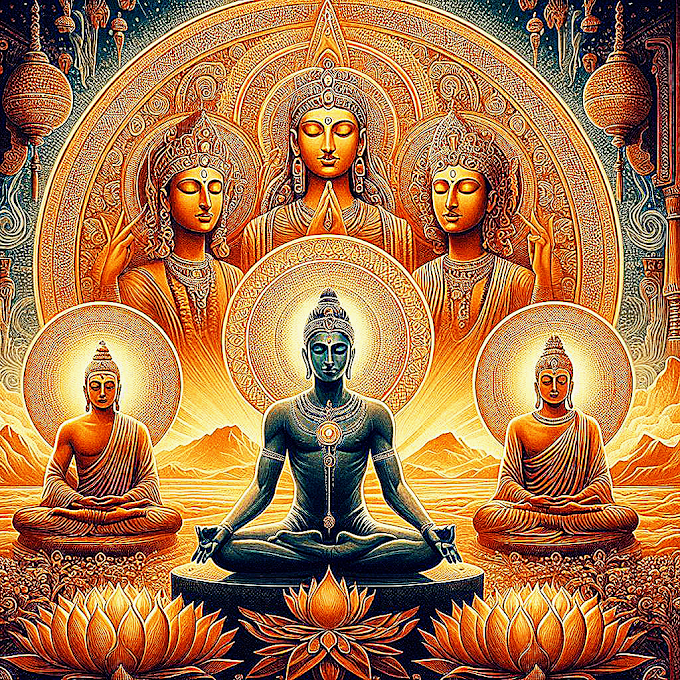
Sukhasana, the easy pose, reflects traditional yogic values of comfort, stability, and meditative awareness in seated posture.
 |
| Sukhasana: A Traditional Perspective |
Sukhasana, commonly referred to as the Easy Pose, occupies a foundational place in the yogic tradition. Despite its apparent simplicity, Sukhasana is not merely a casual sitting posture; it is a profound meditative asana designed to cultivate physical steadiness, mental ease, and inner balance. In classical yoga, the true purpose of asana is not acrobatic achievement but the creation of a stable and comfortable seat that allows the practitioner to transcend bodily awareness and enter deeper states of concentration, meditation, and absorption.
Sukhasana has been traditionally used as a preparatory posture for pranayama, dhyana, and self-inquiry, making it an essential component of spiritual practice rather than a peripheral one.
2. Etymology and Yogic Meaning
The word Sukhasana originates from two Sanskrit roots:
Sukha (सुख) – Ease, comfort, joy, inner happiness
Asana (आसन) – Seat, posture, or stable position
In yogic philosophy, sukha does not merely imply physical comfort; it refers to a state of inner harmony where the body is free from strain and the mind from agitation. Sukhasana, therefore, represents a posture in which comfort supports consciousness, allowing awareness to turn inward effortlessly.
3. Sukhasana in Classical Yogic Thought
3.1 Patanjali’s Yoga Sutras
Although Sukhasana is not named explicitly, Patanjali’s definition of asana is universally applicable:
“Sthira sukham asanam” (Yoga Sutra 2.46)A posture should be steady and comfortable.
Sukhasana perfectly manifests this sutra by balancing sthira (stability) and sukha (ease). Further elaboration in Sutras 2.47–2.48 emphasizes relaxation of effort (prayatna shaithilya) and transcendence of dualities such as comfort–discomfort. Sukhasana enables this by minimizing muscular effort while maintaining alertness, allowing the practitioner to remain seated for extended periods without distraction.
3.2 Hatha Yoga Pradipika
The Hatha Yoga Pradipika emphasizes seated postures as essential tools for mastering pranayama and awakening subtle energies. While Sukhasana is not described with anatomical detail, the text repeatedly stresses that simplicity and steadiness are more important than complexity.
The text advises that a yogi should choose a posture that:
Allows the spine to remain erect
Facilitates smooth, uninterrupted breathing
Prevents bodily restlessness
Sukhasana fulfills all these criteria, making it suitable for both beginners and advanced practitioners.
3.3 Gheranda Samhita
The Gheranda Samhita categorizes asanas primarily as tools for purification, steadiness, and preparation for meditation. Among various seated poses described, the underlying principle remains the same: a posture that stabilizes the body and calms the mind.
Sukhasana is traditionally associated with:
Dhyana (meditation) – due to its relaxed structure
Pranayama – because it supports natural spinal alignment
Mental restraint – by reducing physical discomfort that disturbs focus
Its adaptability makes it especially suitable for householders and practitioners who may not easily perform advanced postures like Padmasana.
3.4 Bhagavad Gita and Meditative Discipline
The Bhagavad Gita (6.11–12) describes the ideal meditative setup:
A clean, steady seat
Upright posture
Balanced body and mind
Focused awareness
Although no specific asana is named, the emphasis is clearly on comfort combined with discipline. Sukhasana naturally aligns with this instruction by offering a seated position that encourages stillness without rigidity.
4. Anatomical and Energetic Significance
4.1 Physical Alignment
Sukhasana promotes:
A naturally erect spine
Relaxed hips and knees
Balanced weight distribution on the sitting bones
When properly supported, it reduces strain on the lower back and joints, making it ideal for prolonged sitting.
4.2 Pranic Flow
From an energetic perspective:
The upright spine facilitates the unobstructed flow of prana through the central channel (sushumna nadi)
Crossed legs help ground the body, stabilizing lower energy centers
The posture supports rhythmic, effortless breathing essential for pranayama
5. Psychological and Meditative Benefits
Sukhasana creates an optimal environment for mental stillness by:
Reducing sensory agitation
Encouraging introspection
Supporting sustained attention
Because the body remains relaxed yet alert, the practitioner can observe thoughts without reacting to them, fostering pratyahara and preparing the mind for dharana and dhyana.
6. Sukhasana as a Gateway to Higher Yogic Practices
Sukhasana is not an end in itself but a means:
It prepares the body for breath regulation
It stabilizes the mind for meditation
It supports the inward journey toward samadhi
In this sense, Sukhasana acts as a bridge between the external and internal limbs of yoga.
7. Relevance in Contemporary Practice
In modern contexts, Sukhasana remains invaluable:
Accessible to practitioners of all ages
Adaptable using props for comfort
Suitable for mindfulness, meditation, and therapeutic applications
Its enduring relevance lies in its simplicity and alignment with yoga’s original intent—inner transformation rather than physical display.
Sukhasana embodies the timeless wisdom of yoga: that true progress begins with ease, stability, and awareness. Far from being a “simple” pose, it is a profound meditative seat that reflects the core yogic ideal of harmony between body, breath, and consciousness. Rooted in classical philosophy and sustained through centuries of practice, Sukhasana remains a cornerstone of authentic yogic discipline and spiritual inquiry.
Benefits of Sukhasana: Traditional and Modern Perspectives
Sukhasana, though outwardly simple, offers multidimensional benefits that span the physical, psychological, energetic, and spiritual layers of human existence. Classical yoga never viewed asana merely as exercise; instead, it was understood as a means to harmonize the body so that consciousness could turn inward without obstruction. Sukhasana exemplifies this principle by offering ease, stability, and receptivity, making it uniquely effective for sustained yogic practice.
1. Physical Benefits
1.1 Enhances Flexibility and Joint Health
Sukhasana gently opens the hips, knees, and ankles, areas that often become rigid due to prolonged sitting, walking patterns, or sedentary lifestyles. Unlike forceful stretching postures, Sukhasana works gradually and sustainably, allowing connective tissues to soften over time without strain.
Improves hip mobility, especially in the adductor and rotator muscles
Encourages healthy knee alignment by reducing unnecessary tension
Enhances ankle flexibility, contributing to overall lower-body balance
In traditional yoga, such gradual opening was preferred because it supported long-duration meditation without discomfort.
1.2 Promotes Proper Spinal Alignment
One of the most significant physical benefits of Sukhasana is its role in cultivating a naturally erect spine. When practiced correctly:
The pelvis tilts slightly forward, supporting lumbar integrity
The spine elongates effortlessly rather than through muscular force
The neck and shoulders relax, preventing upper-body tension
Classical yogic texts emphasize that an aligned spine is essential for the free flow of prana and for maintaining alertness during meditation. Modern posture science similarly recognizes that neutral spinal alignment reduces fatigue and musculoskeletal strain.
1.3 Relieves Lower Back Tension and Encourages Relaxation
By evenly distributing body weight through the sitting bones, Sukhasana reduces compression in the lower back. When supported properly, it:
Relieves chronic lumbar stiffness
Encourages parasympathetic nervous system activation
Reduces physical restlessness that distracts the mind
This aligns with traditional guidance that asana should remove physical obstacles to meditation, not create new ones.
2. Mental and Emotional Benefits
2.1 Facilitates Meditation and Mindfulness
Sukhasana is fundamentally a meditative seat, designed to stabilize the body so the mind can settle naturally. When the body is at ease:
The mind becomes less reactive
Attention sustains itself without constant effort
Awareness turns inward spontaneously
Classically, this state supports pratyahara (sense withdrawal), allowing the practitioner to disengage from external stimuli and observe inner mental processes with clarity.
2.2 Reduces Stress and Anxiety
From both yogic and modern perspectives, Sukhasana has a calming effect on the nervous system. The posture:
Encourages slow, rhythmic breathing
Reduces sympathetic (fight-or-flight) dominance
Cultivates emotional steadiness
In yogic psychology, mental agitation is seen as a result of pranic imbalance. Sukhasana, by stabilizing posture and breath, restores equilibrium, leading to reduced anxiety and emotional turbulence.
2.3 Cultivates Inner Tranquility and Emotional Balance
Sukhasana embodies the principle of sukha—inner ease. Over time, regular practice fosters:
Emotional resilience
Reduced impulsivity and reactivity
Greater capacity for self-observation
This aligns with classical teachings that mental clarity arises not through suppression but through settled awareness.
3. Spiritual Benefits
3.1 Preparation for Deeper Meditative States
Traditionally, Sukhasana is valued not for dramatic effects but for its role as a gateway to higher yogic states. It prepares the practitioner for:
Dharana (concentration)
Dhyana (meditation)
Samadhi (absorption)
By minimizing bodily distractions, Sukhasana allows consciousness to disengage from the physical layer and explore subtler dimensions of awareness.
3.2 Encourages Self-Awareness and Inner Connection
Sukhasana supports svadhyaya (self-study) by creating conditions conducive to introspection. In this posture:
Awareness naturally returns to the breath and mind
The practitioner witnesses thoughts without identification
A sense of inner presence becomes more accessible
Classical yoga regards this witnessing capacity as essential for discerning Purusha (pure consciousness) from mental activity.
3.3 Regulation and Refinement of Prana
One of Sukhasana’s most subtle yet profound benefits lies in its influence on pranic regulation. An upright, relaxed posture enables:
Smooth flow of prana through the central axis
Effective practice of pranayama
Gradual purification of subtle energy channels
In yogic physiology, controlled prana leads to mental stillness, and mental stillness opens the door to spiritual insight. Sukhasana thus becomes a silent facilitator of inner transformation.
4. Integration of Traditional Wisdom and Modern Understanding
From a traditional standpoint, Sukhasana was never intended to impress but to serve consciousness. Modern practitioners often rediscover its value as they move beyond performance-oriented yoga toward mindfulness, meditation, and nervous-system regulation.
Today, Sukhasana is increasingly recognized for:
Supporting mental health and emotional regulation
Enhancing focus and contemplative practices
Offering accessibility without compromising depth
This convergence of ancient wisdom and modern insight confirms Sukhasana’s timeless relevance.
Sukhasana stands as a powerful reminder that ease and awareness are not opposites of discipline but its fulfillment. Physically, it nurtures alignment and relaxation; mentally, it calms and stabilizes; spiritually, it opens the doorway to self-awareness and higher realization. Rooted in classical yogic philosophy and validated through lived experience, Sukhasana remains one of the most effective and profound postures for holistic well-being and inner growth.
How to Perform Sukhasana (Easy Pose): A Complete and Informed Guide
Sukhasana is not merely a way of sitting; it is a conscious yogic posture designed to cultivate steadiness, ease, and inward awareness. The effectiveness of Sukhasana lies less in external form and more in subtle alignment, breath regulation, and mental attitude. When practiced correctly, it becomes a powerful foundation for meditation, pranayama, and inner stillness.
 |
| Meditative asanas - Sukhasana |
1. Preparatory Awareness Before Entering Sukhasana
Before assuming the posture, it is essential to prepare both body and mind:
Choose a quiet, clean, and calm environment, free from disturbances
Use a firm but comfortable surface, such as a yoga mat or folded blanket
Approach the posture with relaxation rather than force, honoring your body’s current flexibility
Traditionally, yoga emphasizes that asana should be entered mindfully, as the state of the mind while entering the posture influences its outcome.
2. Step-by-Step Method to Perform Sukhasana
Step 1: Seated Foundation
Sit on the mat with both legs extended forward
Gently rock the pelvis side to side to feel the sitting bones (ischial tuberosities) grounding into the mat
This grounding establishes stability, which is essential for maintaining the posture effortlessly.
Step 2: Crossing the Legs
Bend the knees and cross the legs comfortably, bringing each foot beneath the opposite thigh or shin
There should be no strain in the knees or ankles
Allow the knees to gently descend toward the ground without forcing
Unlike more advanced seated postures, Sukhasana does not require deep hip opening; comfort is the priority.
Step 3: Pelvic Alignment and Spine
Slightly tilt the pelvis forward so the natural lumbar curve is maintained
Lengthen the spine upward as if the crown of the head is gently lifting toward the sky
Avoid rigidity; the spine should be upright yet relaxed
In yogic understanding, this vertical alignment supports the free flow of prana along the central axis, essential for meditation.
Step 4: Upper Body and Shoulders
Roll the shoulders gently back and down to open the chest
Relax the shoulder blades without collapsing the upper back
Keep the chest softly lifted, allowing unrestricted breathing
This posture promotes both alertness and relaxation, a key requirement for sustained awareness.
Step 5: Placement of Hands and Mudra
Rest the hands gently on the knees or thighs
Common mudras include:
Jnana Mudra: Thumb and index finger touching, symbolizing knowledge
Chin Mudra: Similar gesture with palms facing upward, representing receptivity
Mudras subtly influence mental states and help anchor awareness inward.
Step 6: Head, Neck, and Gaze
Keep the neck aligned with the spine
Slightly tuck the chin to elongate the cervical spine
Close the eyes gently or maintain a soft downward gaze
This reduces sensory distractions and encourages pratyahara (withdrawal of the senses).
3. Breath Awareness in Sukhasana
Breath plays a central role in transforming Sukhasana from a simple seat into a meditative posture.
Allow the breath to become slow, deep, and rhythmic
Observe the natural flow of inhalation and exhalation
Avoid breath control initially; let awareness refine the breath organically
Over time, Sukhasana becomes an ideal base for pranayama, as the upright posture supports lung expansion and diaphragmatic breathing.
4. Mental Focus and Meditative Orientation
Once the body is stable and relaxed:
Bring awareness to the breath, mantra, or a chosen point of focus
Observe thoughts without engagement or judgment
Maintain a sense of ease (sukha) and steadiness (sthira)
Classically, this stage prepares the practitioner for dharana and dhyana, allowing meditation to unfold naturally rather than through effort.
5. Duration and Progression
Beginners may start with 5–10 minutes, gradually increasing duration
With regular practice, Sukhasana can be held comfortably for extended periods
Discomfort is a signal to adjust, not endure
Traditional yoga emphasizes comfort with awareness, not endurance through pain.
6. Modifications and Supportive Adjustments
Elevation of the Hips
Sit on a cushion, bolster, or folded blanket
Elevating the hips above the knees reduces strain on the lower back and hips
This modification is especially beneficial for beginners and those with tight hips
Support for Knees
Place folded blankets or blocks beneath the knees if they hover uncomfortably
This creates a sense of grounding and stability
Such modifications are fully aligned with yogic principles, as the goal is ease and stillness, not external perfection.
7. Common Mistakes to Avoid
Slouching or collapsing the chest
Forcing the knees downward
Holding tension in the shoulders or jaw
Treating the posture as passive rather than aware
Correcting these prevents fatigue and enhances the posture’s meditative quality.
8. Yogic Significance of Correct Practice
When practiced with alignment, breath awareness, and mental presence, Sukhasana:
Stabilizes the body for subtle practices
Calms the nervous system
Creates an inner environment conducive to self-inquiry and meditation
Thus, Sukhasana becomes not just a posture, but a gateway to inner discipline and awareness.
Sukhasana exemplifies the yogic ideal of effortless stability. Its correct practice integrates posture, breath, and awareness into a unified experience. Simple in appearance yet profound in effect, Sukhasana offers a timeless method for cultivating physical ease, mental clarity, and spiritual readiness—making it one of the most essential postures in the yogic tradition.
Contraindications & Precautions
- Those with severe knee, hip, or lower back injuries should avoid or modify this pose.
- Use support if experiencing discomfort in the lower back.
Conclusion
Sukhasana, though simple, holds profound significance in yoga philosophy. It serves as a foundation for meditation, pranayama, and inner transformation, aligning the mind and body in harmony. Practicing Sukhasana with awareness and dedication leads to a state of peace, self-realization, and connection with the higher self.
References
Patañjali – Yoga Sūtras
Sthira–sukham āsanam (YS 2.46) — philosophical basis of ease and stability in posture.
Hatha Yoga Pradīpikā – Svātmārāma
Mentions simple seated postures used for meditation, including Sukhasana-type sitting.
Gheraṇḍa Saṁhitā
Describes meditative postures emphasizing comfort and steadiness.
Śiva Saṁhitā
Discusses seated postures for prāṇāyāma and dhyāna aligned with Sukhasana principles.
Yoga Upaniṣads
Dhyāna Bindu, Yoga Chūḍāmaṇi, Amṛtanāda
Refer to easy, stable sitting postures for meditation and breath control.
Bhagavad Gītā
Chapter 6 — posture, steadiness, and ease during meditation.
Vyāsa Bhāṣya on Yoga Sūtras
Explains the concept of “sukha” (ease) in meditative postures.
Bhoja Rāja – Rāja Mārtāṇḍa
Commentary elaborating comfort and stability in asana practice.
FAQ
Q1. What is the Sukhasana theory?
Ans: The Sukhasana theory emphasizes ease, stability, and mindfulness in seated posture, making meditation accessible and sustainable. It reflects the yogic principle that true practice arises from comfort and balance, allowing the mind to focus inward without physical strain.
Q2. What is Sukhasana in yoga?
Ans: Sukhasana, or the “easy pose,” is a simple cross-legged seated posture in yoga that promotes comfort, stability, and relaxation. It is traditionally used for meditation and breathing practices, helping the mind focus inward without physical strain.
Q3. What is the history of Sukhasana?
Ans: Sukhasana, or the “easy pose,” has roots in ancient Indian tradition, where simple cross-legged sitting was the natural posture for meditation and daily life. Over time, yoga texts like Patanjali’s Yoga Sutras emphasized it as a foundational seat for cultivating stability, comfort, and inward focus.
Q4. What are the five benefits of Sukhasana?
Ans: The five benefits of Sukhasana include calming the mind, improving posture, enhancing focus, reducing stress, and preparing the body for meditation. By promoting comfort and stability, it supports both physical ease and mental clarity, making spiritual practice more accessible.
Q5. Which disease is cured by Sukhasana?
Ans: Sukhasana is not a cure for any specific disease, but it supports mental calmness, reduces stress, and improves posture. By promoting relaxation and steady breathing, it can help manage anxiety and mild physical discomfort, complementing overall wellness practices.


.png)