.png)
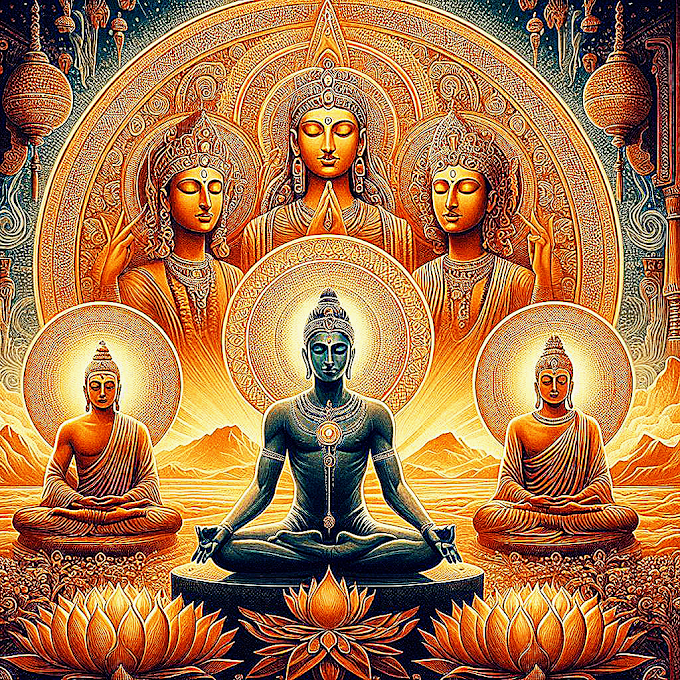
Overview of six kriyas categories in yoga—cleansing, breath, locks, gestures, energy awakening, and mind purification—for holistic well-being.
 |
| Classification of Kriyas: A Comprehensive Summary |
Classification of Kriyas: A Comprehensive Summary
Kriyas are an integral part of the yogic tradition and refer to specific actions, techniques, or practices that are intended to purify and harmonize the body, mind, and soul. They play a crucial role in removing physical and mental toxins, increasing the flow of energy (prana) throughout the body, and enhancing the practitioner’s ability to attain higher levels of spiritual awareness. Kriyas have been classified into various categories based on their purpose, technique, and impact on the body and mind.
In this comprehensive summary, we will explore the various classifications of kriyas, detailing their purpose, significance, and the benefits they offer. The classifications can be broadly divided into physical kriyas, mental kriyas, and energy-related kriyas.
Śaṭ Kriyās – The Six Purification Techniques in Hatha Yoga
Introduction
In the classical hatha tradition, the Śaṭ Kriyās (ṣaṭ = six, kriyā = action) are the six foundational cleansing techniques prescribed to purify the body and mind before undertaking advanced yogic practices such as deep pranayama, mudra, and meditation.
The Hatha Yoga Pradīpikā (HYP 2.22–2.35) and Gheraṇḍa Saṃhitā (GS 1.12–1.54) both emphasise that these techniques are not optional extras but essential prerequisites. They are designed to:
Remove accumulated toxins (āma) from the body
Balance the three doṣas (vāta, pitta, kapha)
Clear blockages in the nāḍīs (energy channels)
Strengthen and prepare the organs and systems for higher yogic work
Stabilise the mind and sharpen concentration
Modern research (Dhali, 2014; Slathia, 2014) confirms that these kriyas have measurable effects on the digestive, respiratory, muscular, nervous, and cardiovascular systems, as well as on mental health and immunity.
1. Neti (Nasal Cleansing)
Classical Reference:
HYP 2.29: “By practising Neti, the kapha in the frontal sinuses is removed and the vision becomes clear.”
GS lists four types: Jala Neti (water), Sutra Neti (thread), Ghṛta Neti (ghee), Dugdha Neti (milk).
Main Variants:
Jala Neti: Warm isotonic saline poured through one nostril and drained from the other using a neti pot.
Sutra Neti: Passing a soft rubber catheter or waxed thread through the nostril into the throat and out the mouth.
Physiological Effects (Dhali, 2014):
Improves mucociliary clearance
Increases efficiency of nasal passages
Prevents sinusitis and allergic rhinitis
Optimises oxygen intake and CO₂ removal
Supports better sleep quality
 |
| Classification of Kriyas: A Comprehensive Summary |
Modern Evidence: Clinical studies show daily saline irrigation reduces sinusitis recurrence by ~40 % and improves quality of life in allergy sufferers.
Example: A schoolteacher with chronic sinus headaches performs Jala Neti each morning (200 ml saline per nostril), followed by 20 gentle Kapalabhati strokes to expel residual water. Within a month, headaches reduce and voice projection improves.
2. Dhauti (Digestive Tract Cleansing)
Classical Reference:
GS divides Dhauti into four main categories: Antar (internal), Danta (teeth/mouth), Hṛd (cardiac/stomach), and Mūla Śodhana (rectal cleansing).
Each has sub‑practices, e.g., Vatsara, Varisara, Vahnisara, Bahiskṛta.
Key Sub‑types:
Vamana Dhauti: Drinking 1–2 litres of lukewarm saline water and voluntarily vomiting to clear the stomach.
Vastra Dhauti: Swallowing a long, narrow strip of clean cloth to cleanse the oesophagus and stomach lining.
Danda Dhauti: Using a banana stem or rubber tube for stomach cleansing.
Mūla Śodhana: Cleansing the rectum with turmeric root or finger.
Physiological Effects:
Removes excess acidity from the stomach
Improves peristalsis and nutrient absorption
Relieves constipation and bloating
Stimulates digestive fire (agni)
Modern Insight: Gastric lavage techniques have been shown to reduce bacterial load in the stomach and improve symptoms in chronic gastritis.
Example: A yoga practitioner with chronic hyperacidity performs Vamana Dhauti once a week under supervision. Reports reduced reflux, lighter digestion, and improved appetite regulation.
 |
| Classification of Kriyas: A Comprehensive Summary |
Classical Reference:
HYP 2.26: “Basti cures disorders of the spleen and all diseases arising from excess wind, bile, and phlegm.”
Two main types: Jala Basti (water) and Sthala Basti (dry/air).
Techniques:
Jala Basti: Drawing lukewarm water into the colon via the anus and expelling it.
Sthala Basti: Drawing air into the colon without water.
Physiological Effects:
Removes impacted faecal matter and toxins
Improves colon tone and mucosal immunity
Relieves chronic constipation and flatulence
Supports healthy gut microbiota
Modern Insight: Colon hydrotherapy studies show improved bowel regularity and reduced IBS symptoms in some patients, though traditional basti is gentler and self‑regulated.
Example: A middle‑aged man with sluggish bowels practises Jala Basti twice weekly. Within a month, bowel movements become regular and bloating subsides.
4. Kapālabhāti (Frontal Skull Cleansing Breath)
Classical Reference:
HYP 2.35: “Kapalabhati cleanses the frontal sinuses and destroys all diseases caused by kapha.”
Three types: Vātkrama (breath), Vyutkrama (water in nose, out mouth), Śītkrama (reverse of Vyutkrama).
Technique (Vātkrama):
Rapid, forceful exhalations through the nose with passive inhalations, at 60–120 strokes/minute.
Physiological Effects (Dhali, 2014):
Stimulates metabolism (+10 % RMR in 4 weeks)
Improves lung capacity and oxygenation
Clears phlegm, reduces asthma/bronchitis symptoms
Tones abdominal organs and muscles
Relaxes facial muscles and nerves
Modern Evidence: Studies show Kapalabhati improves peak expiratory flow, reduces triglycerides, and enhances parasympathetic tone.
 |
| Classification of Kriyas: A Comprehensive Summary |
5. Trāṭaka (Concentration Gazing)
Classical Reference:
GS 1.53–1.55: “Trataka eradicates all eye diseases, fatigue, and sloth, and closes the doorway to these ailments.”
Two types: Bahir (external) and Antar (internal).
Technique:
Fix gaze on a small object (e.g., candle flame) without blinking until tears form; then close eyes and visualise the afterimage.
Physiological Effects:
Strengthens ocular muscles and retina
Improves concentration and mental clarity
Induces meditative state
Reduces stress and fatigue
Modern Evidence: EEG studies show increased theta brainwave activity (linked to creativity and relaxation) and improved working memory in children.
 |
| Classification of Kriyas: A Comprehensive Summary |
6. Nauli (Abdominal Churning)
Classical Reference:
HYP 2.33: “Nauli is the crown of Hatha practices; it kindles digestive fire, removes indigestion, and brings happiness.”
Three types: Dakṣiṇa (right), Vāma (left), Madhyama (central).
Technique:
Isolate rectus abdominis muscles and roll them laterally or centrally in a wave‑like motion.
Physiological Effects (Dhali, 2014):
Massages abdominal organs, stimulates digestion
Improves pancreatic efficiency (helpful in diabetes prevention)
Relieves gas and constipation
Strengthens abdominal wall
Modern Insight: Abdominal massage techniques have been shown to improve bowel motility and reduce bloating in functional GI disorders.
Example: A yoga teacher with mild insulin resistance practises Nauli for 3 minutes each morning after Ujjāyī pranayama. Reports improved digestion and steadier post‑meal energy.
 |
| Classification of Kriyas: A Comprehensive Summary |
While traditionally practiced in ashrams under a guru’s guidance, Shat Kriyas can be adapted for contemporary lifestyles:
Urban adaptation: Jala Neti for pollution-heavy cities, Kapalbhati for sedentary workers.
Seasonal cleansing: Dhauti and Basti during spring/autumn transitions.
Mind-body synergy: Trataka for screen-fatigued eyes, Nauli for digestive resilience.
5. Safety, Contraindications, and Ethical Practice
Always learn under qualified supervision.
Avoid during pregnancy, acute illness, or post-surgery recovery.
Respect the body’s limits; purification is not punishment.
In yogic ethics (yama and niyama), cleansing is paired with self-discipline and compassion.
6. Conclusion: Purity as a Pathway to Clarity
The Shat Kriyas are not merely physical hygiene—they are psychophysiological gateways to deeper states of awareness. By removing physical obstructions, they prepare the practitioner for the subtler work of mind training and spiritual awakening.
From saline nasal rinses to abdominal churning, these ancient techniques find surprising resonance in modern science, offering a bridge between traditional wisdom and contemporary wellness.
Pranayama Kriyas – Breath as the Bridge Between Body and Mind
1. Introduction: The Science and Philosophy of Breath Control
In the yogic tradition, prana is the subtle life force that animates all living beings. The Sanskrit term pranayama combines prana (life energy) and ayama (extension or regulation), meaning the conscious expansion and control of vital energy through breath.
Classical texts such as the Hatha Yoga Pradipika (15th century CE) and Gheranda Samhita (17th century CE) describe pranayama as a gateway to higher states of consciousness, purifying the nadis (energy channels) and preparing the mind for meditation.
From a modern perspective, pranayama can be understood as a set of respiratory training techniques that influence:
Autonomic nervous system balance (sympathetic vs. parasympathetic activity)
Gas exchange efficiency (oxygen uptake, carbon dioxide regulation)
Cardiovascular health (heart rate variability, blood pressure)
Cognitive and emotional regulation (stress reduction, focus enhancement)
The Five Core Pranayama Kriyas
1. Anulom Vilom – Alternate Nostril Breathing
Classical description: Anulom Vilom involves inhaling through one nostril while closing the other with the fingers, then exhaling through the opposite nostril, alternating sides in a rhythmic pattern. It is often confused with Nadi Shodhana, which includes breath retention (kumbhaka), but Anulom Vilom is generally practiced without retention for beginners.
Yogic aim:
Balance ida (left channel, lunar, cooling) and pingala (right channel, solar, heating) nadis.
Harmonize hemispheric brain activity.
Scientific perspective:
EEG studies show that alternate nostril breathing can balance activity between the left and right cerebral hemispheres.
Autonomic regulation: Research in International Journal of Yoga (2013) found significant increases in parasympathetic activity, lowering heart rate and blood pressure.
Respiratory health: Improves nasal airflow and reduces airway resistance.
Example: A corporate trainer uses Anulom Vilom for 5 minutes before presentations to reduce anxiety and sharpen mental clarity.
 |
| Classification of Kriyas: A Comprehensive Summary |
Classical description: Kapalbhati is characterized by forceful, rapid exhalations powered by abdominal contractions, with passive inhalations. Traditionally, it is considered both a shat kriya (cleansing technique) and a pranayama.
Yogic aim:
Purify the frontal brain region (kapal = skull, bhati = shining).
Expel stale air and toxins from the lungs.
Energize the mind.
Scientific perspective:
Respiratory muscle training: Strengthens expiratory muscles, especially the diaphragm and abdominal wall.
Gas exchange: Increases alveolar ventilation, potentially improving oxygenation.
Neurophysiology: EEG studies show increased alpha wave activity, linked to relaxed alertness.
Metabolic effect: May slightly increase basal metabolic rate.
Example: A yoga teacher integrates 3 rounds of 60 strokes of Kapalbhati into her morning routine to combat mental fog and boost energy before teaching.
3. Bhastrika – Bellows Breath
Classical description: Bhastrika involves rapid, forceful inhalations and exhalations of equal intensity, resembling the action of a blacksmith’s bellows. It is more vigorous than Kapalbhati, with active inhalation as well as exhalation.
Yogic aim:
Ignite agni (digestive fire) and awaken dormant energy.
Clear energy blockages in the nadis.
Scientific perspective:
Oxygenation: Increases oxygen saturation in the blood.
Sympathetic activation: Short-term stimulation of the sympathetic nervous system, followed by parasympathetic rebound.
Thermogenesis: May slightly raise body temperature, useful in cold climates.
Example: A Himalayan trekker practices Bhastrika in the mornings to warm the body and improve oxygen delivery at high altitude.
4. Ujjayi – Victorious Breath
Classical description: Ujjayi is performed by gently constricting the glottis during slow, deep inhalations and exhalations, producing a soft oceanic sound. It is often used during asana practice to maintain focus and regulate effort.
Yogic aim:
Calm the mind and regulate prana flow.
Build internal heat and stamina.
Scientific perspective:
Vagal stimulation: The gentle throat constriction may stimulate the vagus nerve, enhancing parasympathetic tone.
Mindfulness anchor: The audible breath provides a meditative focal point, reducing cognitive distractions.
Respiratory efficiency: Encourages diaphragmatic breathing, improving tidal volume.
Example: A long-distance runner uses Ujjayi breathing during training to maintain steady pacing and prevent breathlessness.
5. Bhramari – Bee Breath
Classical description: Bhramari involves inhaling deeply and exhaling slowly while producing a humming sound, like a bee. The sound vibration is felt in the head and chest.
Yogic aim:
Dissolve mental agitation.
Induce meditative absorption.
Scientific perspective:
Nitric oxide release: Humming increases nitric oxide production in the nasal passages, which may improve oxygen uptake and have antimicrobial effects.
Neuroacoustic effect: The vibration stimulates the vagus nerve and calms the limbic system, reducing stress and anxiety.
EEG findings: Increased alpha wave activity, associated with relaxed alertness.
Example: A student uses Bhramari before exams to quiet mental chatter and improve concentration.
Comparative Table – Yogic and Scientific Views
| Technique | Yogic Aim | Modern Physiological Effect | Ideal Use Case |
|---|---|---|---|
| Anulom Vilom | Balance ida & pingala nadis | Balances autonomic nervous system | Pre‑meeting calmness |
| Kapalbhati | Purify mind & lungs | Strengthens expiratory muscles | Morning energy boost |
| Bhastrika | Ignite digestive fire | Increases oxygenation & warmth | Cold‑weather vitality |
| Ujjayi | Calm mind, build stamina | Vagal stimulation, mindfulness | Endurance training |
| Bhramari | Quiet mental chatter | Nitric oxide boost, stress relief | Pre‑exam focus |
Safety and Contraindications
Anulom Vilom: Generally safe; avoid forceful breathing if nasal passages are inflamed.
Kapalbhati & Bhastrika: Avoid in high blood pressure, heart disease, hernia, pregnancy.
Ujjayi: Safe for most; avoid excessive throat constriction.
Bhramari: Safe; avoid if there is severe ear infection.
Conclusion: Breath as a Master Key
Pranayama kriyas are more than breathing exercises—they are psychophysiological tools that bridge the conscious and unconscious, the voluntary and involuntary systems of the body. By integrating these techniques into daily life, practitioners can cultivate calm alertness, emotional balance, and physical vitality—qualities as relevant in the modern world as they were in the ancient ashrams.
Bandhas – The Energetic Locks of Yoga
1. Introduction: The Subtle Art of Energy Sealing
In the yogic tradition, bandha means “lock,” “binding,” or “to hold.” Far from being merely muscular contractions, bandhas are energetic seals that regulate the flow of prana (life force) within the body’s subtle channels (nadis).
Classical sources such as the Hatha Yoga Pradipika (15th century CE) and Gheranda Samhita (17th century CE) describe bandhas as essential companions to pranayama and mudra, enabling the practitioner to direct energy toward higher centers of consciousness.
From a modern perspective, bandhas can be understood as neuromuscular engagements that:
Influence intra‑abdominal and intrathoracic pressure
Stimulate nerve plexuses and endocrine glands
Affect autonomic nervous system balance
Enhance core stability and postural control
2. The Four Primary Bandhas
2.1 Mula Bandha – Root Lock
Classical description: Mula means “root” — referring to the base of the spine and the perineal region. Mula Bandha involves contracting the muscles of the pelvic floor, particularly the perineum in men and the cervix/vaginal muscles in women.
Yogic aim:
Stimulate the Muladhara Chakra (root energy center).
Prevent downward dissipation of prana.
Promote grounding, stability, and vitality.
Scientific perspective:
Pelvic floor engagement: Similar to Kegel exercises, Mula Bandha strengthens the pelvic diaphragm.
Neural stimulation: Activates the pudendal nerve, influencing sacral parasympathetic outflow.
Core stability: Works synergistically with the transverse abdominis and multifidus muscles to support the spine.
Endocrine link: May indirectly influence adrenal gland function via sacral nerve pathways.
Example: A meditation practitioner uses Mula Bandha during long sitting sessions to maintain spinal alignment and prevent lower back fatigue, while also feeling more “anchored” in awareness.
2.2 Uddiyana Bandha – Abdominal Lock
Classical description: Uddiyana means “to fly upward.” This bandha is performed by exhaling completely, then drawing the abdominal wall inward and upward under the rib cage while holding the breath out (bahya kumbhaka).
Yogic aim:
Direct prana upward toward the heart and head.
Stimulate the Manipura Chakra (solar plexus center).
Massage internal organs and awaken dormant energy.
Scientific perspective:
Intra‑abdominal pressure shift: Creates a vacuum effect that massages the stomach, pancreas, liver, and intestines.
Diaphragmatic stretch: Lengthens the diaphragm, improving respiratory efficiency.
Circulatory effect: May enhance venous return from abdominal organs.
Autonomic influence: Stimulates the celiac plexus, potentially affecting digestion and metabolic regulation.
 |
| Classification of Kriyas: A Comprehensive Summary |
2.3 Jalandhara Bandha – Throat Lock
Classical description: Jalandhara combines jala (net) and dhara (holding), referring to the network of nadis and blood vessels in the throat. It is performed by tucking the chin toward the chest while lifting the sternum, usually during breath retention.
Yogic aim:
Prevent upward escape of prana during pranayama.
Stimulate the Vishuddha Chakra (throat center).
Protect the brain and heart from excessive pressure during breath retention.
Scientific perspective:
Carotid sinus stimulation: Gentle pressure on the carotid baroreceptors can lower heart rate and blood pressure.
Endocrine connection: May influence the thyroid and parathyroid glands.
Cerebrovascular safety: Helps regulate intracranial pressure during advanced breath holds.
Vagal activation: Encourages parasympathetic dominance, promoting calmness.
 |
| Classification of Kriyas: A Comprehensive Summary |
2.4 Mahabandha – The Great Lock
Classical description: Mahabandha is the simultaneous application of Mula, Uddiyana, and Jalandhara Bandhas. It is considered a master technique for circulating prana through the sushumna nadi (central channel).
Yogic aim:
Harmonize all three major energy locks.
Intensify pranic flow toward higher chakras.
Deepen meditative absorption.
Scientific perspective:
Integrated core engagement: Activates pelvic floor, deep abdominals, and cervical stabilizers simultaneously.
Pressure regulation: Balances intra‑abdominal and intrathoracic pressures for safe breath retention.
Neuroendocrine synergy: Potentially influences multiple glandular systems (adrenals, pancreas, thyroid) in one coordinated action.
Example: An experienced yogi uses Mahabandha during deep meditation to feel a unified upward current of energy, reporting heightened stillness and clarity.
Comparative Table – Yogic and Scientific Views
| Bandha | Yogic Aim | Modern Physiological Effect | Ideal Use Case |
|---|---|---|---|
| Mula Bandha | Grounding, root chakra activation | Pelvic floor strengthening, sacral nerve stimulation | Meditation stability, pelvic health |
| Uddiyana Bandha | Upward prana flow, digestive stimulation | Organ massage, diaphragm stretch | Morning energy activation |
| Jalandhara Bandha | Throat chakra activation, prana control | Carotid sinus stimulation, vagal activation | Safe breath retention, calming |
| Mahabandha | Full pranic circulation | Integrated core and glandular activation | Advanced meditation and pranayama |
Integration with Other Yogic Practices
With Pranayama: Bandhas are often applied during breath retention to direct and seal prana.
With Mudras: Combined with gestures like Maha Mudra for amplified energetic effects.
With Asana: Subtle engagement of Mula Bandha during standing poses can improve balance and stability.
Safety and Contraindications
Learn under qualified supervision, especially for Uddiyana and Mahabandha.
Avoid during pregnancy, menstruation, high blood pressure, heart disease, hernia, or recent abdominal surgery.
Never strain; the lock should feel controlled, not forced.
Conclusion: Locks that Liberate
Paradoxically, in yoga, locking energy is a way to liberate it. Bandhas channel the body’s vital forces with precision, transforming raw vitality into refined awareness.
Mudras – Gestures that Seal and Direct Energy
1. Introduction: The Language of the Hands in Yoga
In Sanskrit, mudra means “seal,” “mark,” or “gesture.” In the yogic context, mudras are symbolic and energetic hand positions (and sometimes full‑body gestures) that influence the flow of prana (life force) in the body.
Classical yoga texts such as the Hatha Yoga Pradipika (15th century CE) and Gheranda Samhita (17th century CE) describe mudras as powerful tools for awakening latent energy, enhancing meditation, and deepening the effects of pranayama and kriya practices.
From a modern perspective, mudras can be seen as:
Neuromuscular patterns that influence sensory‑motor feedback loops.
Somatic anchors for meditative focus.
Subtle bio‑electrical circuits — finger positions may alter skin resistance and proprioceptive awareness.
Psychophysiological triggers — certain gestures evoke specific emotional or cognitive states.
2. How Mudras Work – Classical and Scientific Views
Yogic theory:
The fingers are said to correspond to the five elements (pancha mahabhutas):
Thumb – Fire (Agni)
Index – Air (Vayu)
Middle – Ether (Akasha)
Ring – Earth (Prithvi)
Little – Water (Jala)
 |
| Classification of Kriyas: A Comprehensive Summary |
Scientific perspective:
Proprioceptive feedback: Hand positions send constant sensory input to the brain, influencing neural activity.
Mudra‑breath synergy: When combined with pranayama, mudras may enhance parasympathetic activation, lowering heart rate and blood pressure.
Electrodermal activity: Research in International Journal of Yoga suggests that certain mudras can alter skin conductance, possibly reflecting shifts in autonomic tone.
Psychological priming: Gestures can act as embodied cues, reinforcing mental states like calmness, focus, or gratitude.
Five Common Mudras – Detailed Exploration
1. Gyan Mudra – Mudra of Knowledge
Classical description: Touch the tip of the index finger to the tip of the thumb, with the other three fingers extended. Often practiced with palms facing upward during meditation.
Yogic aim:
Stimulates the Ajna Chakra (third eye center).
Enhances concentration, memory, and spiritual insight.
Balances the air element, calming an overactive mind.
 |
| Classification of Kriyas: A Comprehensive Summary |
Cognitive focus: The gentle pressure between thumb and index finger may activate sensory areas linked to attention.
EEG findings: Some studies show increased alpha wave activity during meditation with Gyan Mudra, associated with relaxed alertness.
Example: A student preparing for exams uses Gyan Mudra during 10 minutes of morning meditation to improve mental clarity and recall.
2. Prana Mudra – Mudra of Life
Classical description: Touch the tips of the ring and little fingers to the tip of the thumb, while keeping the index and middle fingers extended.
Yogic aim:
Activates dormant energy (prana shakti).
Balances the earth and water elements.
Strengthens the immune system and increases vitality.
Scientific perspective:
Circulatory boost: The hand position may subtly influence peripheral blood flow.
Placebo and intention effects: The symbolic association with “life force” can enhance subjective vitality.
Example: A yoga therapist recommends Prana Mudra to a client recovering from seasonal fatigue, practiced alongside gentle breathing exercises.
3. Anjali Mudra – Mudra of Offering
Classical description: Place palms together in front of the heart center, fingers pointing upward, thumbs lightly touching the sternum.
Yogic aim:
Symbolizes unity of left and right hemispheres, masculine and feminine energies.
Cultivates humility, gratitude, and devotion.
Activates the Anahata Chakra (heart center).
Scientific perspective:
Postural integration: Encourages symmetrical alignment of the shoulders and spine.
Psychological effect: Associated with prosocial emotions; similar gestures in social psychology research increase feelings of connection.
Example: A mindfulness teacher begins each class with Anjali Mudra to create a shared sense of respect and presence among participants.
4. Dhyana Mudra – Mudra of Meditation
Classical description: Place hands on the lap, palms facing upward, right hand resting on the left, thumbs lightly touching to form a triangle.
Yogic aim:
Promotes deep meditative absorption (dhyana).
Symbolizes balance between inner and outer worlds.
Enhances stillness and inner peace.
Scientific perspective:
Symmetry and grounding: The stable hand position reduces fidgeting, aiding sustained attention.
Parasympathetic activation: Associated with slower breathing and reduced heart rate during meditation.
 |
| Classification of Kriyas: A Comprehensive Summary |
5. Apana Mudra – Mudra of Elimination
Classical description: Touch the tips of the middle and ring fingers to the tip of the thumb, keeping the index and little fingers extended.
Yogic aim:
Activates Apana Vayu — the downward‑moving energy responsible for elimination.
Supports detoxification and digestive health.
Balances the earth and ether elements.
Scientific perspective:
Digestive support: While evidence is anecdotal, the relaxation response induced by mudra practice may aid peristalsis.
Mind‑gut connection: Calming the nervous system can indirectly improve digestive function.
Example: A practitioner with mild digestive sluggishness uses Apana Mudra for 15 minutes after meals, combined with slow diaphragmatic breathing.
Comparative Table – Yogic and Scientific Views
| Mudra | Yogic Aim | Modern Physiological Effect | Ideal Use Case |
|---|---|---|---|
| Gyan Mudra | Enhance wisdom, focus | Improves attention, alpha brain waves | Study, creative work |
| Prana Mudra | Boost vitality | May improve circulation, subjective energy | Recovery, fatigue |
| Anjali Mudra | Cultivate gratitude | Promotes postural symmetry, social bonding | Opening/closing practice |
| Dhyana Mudra | Deepen meditation | Reduces fidgeting, slows breath | Long sits, mindfulness |
| Apana Mudra | Aid elimination | Supports relaxation, digestion | Post‑meal relaxation |
Integrating Mudras into Practice
With Pranayama: Gyan Mudra during Anulom Vilom for mental clarity; Prana Mudra during Bhastrika for vitality.
With Meditation: Dhyana Mudra for stillness; Anjali Mudra for devotional practices.
With Daily Life: Anjali Mudra as a greeting (Namaste), reinforcing mindful connection.
Safety and Accessibility
Mudras are generally safe for all ages.
Those with hand injuries or arthritis can adapt finger positions gently.
The key is intention — the mental focus accompanying the gesture is as important as the physical form.
Conclusion: Small Gestures, Profound Shifts
Mudras demonstrate that subtle actions can have deep effects. Whether viewed through the lens of subtle anatomy or modern neuroscience, these gestures are more than symbolic — they are somatic keys that unlock specific states of body and mind.
By integrating mudras into pranayama, meditation, or even daily rituals, practitioners can seal in energy, focus the mind, and embody the qualities they wish to cultivate.
Kundalini Kriyas – Awakening the Inner Energy
Introduction: The Serpent Power at the Base of the Spine
In the yogic tradition, Kundalini is described as a dormant spiritual energy coiled three and a half times at the base of the spine, in the region of the Muladhara Chakra. The term comes from kundala, meaning “coiled” or “spiral.”
Classical sources such as the Hatha Yoga Pradipika, Shiva Samhita, and Kundalini Upanishad describe Kundalini as the latent potential of consciousness. When awakened, it is said to rise through the central channel (sushumna nadi), piercing the chakras and culminating in union with pure awareness (samadhi).
From a modern lens, Kundalini kriyas can be seen as integrated psycho‑physiological practices that:
Combine breathwork, movement, mantra, and meditation.
Stimulate the nervous system and endocrine glands.
Alter brainwave patterns and autonomic balance.
Induce profound shifts in perception and emotional state.
The Purpose of Kundalini Kriyas
Yogic aim:
Purify the nadis (energy channels) to allow free flow of prana.
Awaken and guide Kundalini upward through the chakras.
Accelerate spiritual evolution and self‑realization.
Scientific perspective:
Neurophysiology: Practices may stimulate the vagus nerve, hypothalamus, and pineal gland, influencing hormonal balance and mood.
Brainwave shifts: EEG studies on advanced meditators show increased gamma and theta activity during deep states, associated with heightened awareness.
Psychological transformation: Can lead to lasting changes in self‑concept, emotional regulation, and sense of meaning.
Core Kundalini Kriyas
1. Kundalini Pranayama
Classical description: A structured sequence of inhalations, exhalations, breath retentions (kumbhaka), and visualizations. The practitioner often imagines energy rising from the base of the spine to the crown of the head with each breath.
Yogic aim:
Activate prana shakti at the Muladhara Chakra.
Guide energy upward through sushumna nadi.
Harmonize ida and pingala nadis to prepare for central channel activation.
Scientific perspective:
Autonomic regulation: Slow, deep breathing increases parasympathetic activity, lowering stress hormones.
Visualization effect: Mental imagery activates brain regions involved in motor planning and interoception, reinforcing the felt sense of energy movement.
Respiratory‑cardiac coupling: Breath retention influences heart rate variability, linked to emotional resilience.
Example: A practitioner begins each dawn with 11 minutes of Kundalini Pranayama, visualizing a golden current rising through the spine, reporting increased mental clarity and emotional stability throughout the day.
2. Chanting of Mantras
Classical description: Repetition (japa) of sacred syllables such as Sat Nam (“Truth is my identity”) or Wahe Guru (“Ecstatic wisdom”), often synchronized with breath and sometimes accompanied by specific mudras.
Yogic aim:
Vibrationally activate the nadis.
Focus the mind and dissolve mental chatter.
Align the practitioner’s consciousness with higher frequencies.
Scientific perspective:
Neuroacoustics: Chanting produces rhythmic sound vibrations that stimulate the vagus nerve via the vocal cords.
Brainwave entrainment: Repetitive mantra recitation can induce alpha and theta states, associated with relaxation and creativity.
Psychological anchoring: Mantras act as cognitive anchors, reducing rumination and enhancing present‑moment awareness.
Example: During evening practice, a group chants Wahe Guru for 31 minutes, reporting a shared sense of euphoria and deep connection.
3. Dhyana (Meditation)
Classical description: Sustained, focused meditation on the breath, a chakra, or the movement of Kundalini energy. Often combined with bandhas (locks) and mudras (gestures) to intensify the experience.
Yogic aim:
Maintain awareness as Kundalini rises.
Stabilize consciousness in higher chakras.
Dissolve the ego into pure awareness.
Scientific perspective:
Neuroplasticity: Regular meditation alters brain structure, increasing cortical thickness in areas related to attention and emotional regulation.
Default mode network (DMN) modulation: Meditation reduces DMN activity, linked to decreased self‑referential thinking.
Hormonal balance: May influence melatonin and serotonin production, enhancing mood and sleep quality.
Example: An experienced yogi sits in Dhyana each morning, focusing on the heart center, and reports spontaneous feelings of compassion and joy.
The Chakra Pathway – Yogic Map and Modern Parallels
| Chakra (Sanskrit) | Location | Yogic Association | Possible Modern Correlates |
|---|---|---|---|
| Muladhara | Base of spine | Survival, grounding | Pelvic plexus, adrenal glands |
| Svadhisthana | Lower abdomen | Creativity, sexuality | Sacral plexus, reproductive glands |
| Manipura | Solar plexus | Power, will | Solar plexus nerve plexus, pancreas |
| Anahata | Heart center | Love, compassion | Cardiac plexus, thymus |
| Vishuddha | Throat | Communication, truth | Cervical plexus, thyroid |
| Ajna | Brow | Intuition, insight | Pituitary gland |
| Sahasrara | Crown | Unity, transcendence | Pineal gland |
Safety, Preparation, and Integration
Traditional cautions:
Kundalini awakening is considered powerful and potentially destabilizing if unprepared.
Classical texts recommend purification through shat kriyas, pranayama, and ethical living (yama and niyama) before attempting.
Modern considerations:
Psychological readiness: Intense experiences can trigger emotional upheaval; grounding practices are essential.
Physical health: Those with cardiovascular or neurological conditions should proceed under expert guidance.
Integration: Journaling, grounding exercises, and community support help integrate insights into daily life.
Example Practice Sequence (Beginner‑Friendly)
Centering: Sit comfortably, spine erect, eyes closed.
Anulom Vilom: 3–5 minutes to balance nadis.
Kundalini Pranayama: Inhale deeply, visualize energy rising; exhale, visualize light expanding. Repeat for 7–11 minutes.
Mantra Chanting: Choose a mantra (e.g., Sat Nam), chant aloud or silently for 5–10 minutes.
Dhyana: Sit in stillness, observing sensations along the spine for 5–15 minutes.
Closing: Rub palms together, place over eyes, and bow in gratitude.
Conclusion: Awakening as a Journey, Not a Race
Kundalini kriyas are not merely techniques — they are doorways into expanded states of being. Whether approached as sacred ritual, psychophysiological training, or both, they invite the practitioner to explore the full spectrum of human potential.
When practiced with respect, patience, and guidance, these kriyas can transform not only the practitioner’s inner landscape but also their engagement with the world — bringing clarity, compassion, and a sense of unity that transcends the boundaries of self.
Sattvic Kriyas – Purification of the Mind and Emotions
Introduction: The Sattvic State of Mind
In yogic philosophy, the mind is influenced by three gunas (qualities):
Sattva – purity, clarity, harmony
Rajas – activity, restlessness, passion
Tamas – inertia, darkness, ignorance
A sattvic mind is calm, balanced, and luminous — the ideal state for spiritual growth and emotional well‑being. Sattvic Kriyas are practices designed to purify mental and emotional patterns, removing the “mental toxins” of anger, fear, jealousy, greed, and replacing them with compassion, equanimity, and love.
Classical texts such as the Bhagavad Gita and Yoga Sutras of Patanjali emphasize that mental purity (chitta shuddhi) is a prerequisite for higher states of meditation**. Patanjali’s Yoga Sutra II.41 states:
“When the mind is purified, there arises cheerfulness, one‑pointedness, mastery of the senses, and fitness for the vision of the Self.”
From a modern perspective, Sattvic Kriyas can be seen as evidence‑based mental training techniques that:
Reduce stress and emotional reactivity.
Enhance positive affect and resilience.
Improve focus, self‑awareness, and interpersonal harmony.
The Three Core Sattvic Kriyas
1. Meditative Practices
Classical description: Meditation (dhyana) and focused gazing (trataka) are used to still the mind and cultivate clarity. In trataka, the practitioner fixes the gaze on a single point (such as a candle flame) without blinking, then closes the eyes and visualizes the image internally.
Yogic aim:
Remove mental restlessness (rajas) and dullness (tamas).
Cultivate ekagrata (one‑pointedness).
Prepare the mind for deeper states of absorption (samadhi).
Scientific perspective:
Neuroplasticity: Regular meditation increases cortical thickness in brain regions linked to attention and emotional regulation (Lazar et al., NeuroReport, 2005).
Stress reduction: Mindfulness meditation lowers cortisol levels and improves heart rate variability.
Emotional stability: Trataka has been shown to improve concentration and reduce anxiety in small‑scale studies.
Example: A schoolteacher practices 10 minutes of trataka each evening, finding that it reduces mental fatigue and improves patience with students.
2. Visualization Techniques
Classical description: Visualization (bhavana) involves creating vivid mental imagery to transform emotional states. Ancient yogic traditions used imagery of light, deities, or sacred symbols (yantras) to inspire devotion and inner purity.
Yogic aim:
Replace negative thought patterns with uplifting imagery.
Strengthen positive samskaras (mental impressions).
Align the mind with sattvic qualities.
Scientific perspective:
Neuro‑imaging: Visualization activates similar neural pathways as actual perception, influencing mood and motivation.
Cognitive reframing: Guided imagery can help reframe stressful situations, reducing anxiety.
Performance enhancement: Used in sports psychology to improve focus and confidence.
Example: A public speaker visualizes a radiant golden light filling the heart before presentations, reporting reduced stage fright and increased warmth toward the audience.
3. Affirmations and Mantras
Classical description: Affirmations (sankalpa) are positive, present‑tense statements of intention. Mantras are sacred sound vibrations repeated aloud or silently to focus the mind and invoke specific qualities.
Yogic aim:
Purify speech and thought.
Harness the vibrational power of sound to influence consciousness.
Strengthen willpower and mental discipline.
Scientific perspective:
Neuroacoustics: Repetitive chanting can synchronize brainwave activity, promoting relaxation.
Self‑affirmation theory: Positive self‑statements can buffer stress and improve problem‑solving under pressure.
Vagal stimulation: Chanting stimulates the vagus nerve, enhancing parasympathetic activity.
Example: A healthcare worker repeats the mantra Lokah Samastah Sukhino Bhavantu (“May all beings be happy and free”) during commutes, noticing greater compassion toward patients.
Comparative Table – Yogic and Scientific Views
| Sattvic Kriya | Yogic Aim | Modern Physiological/Psychological Effect | Ideal Use Case |
|---|---|---|---|
| Meditative Practices | Still the mind, cultivate clarity | Increases cortical thickness, reduces cortisol | Stress relief, focus training |
| Visualization | Replace negative samskaras | Activates perception pathways, reframes stress | Confidence building |
| Affirmations/Mantras | Purify thought, invoke sattva | Synchronizes brainwaves, boosts resilience | Emotional regulation |
Integration into Daily Life
Morning: Begin with 5 minutes of mantra chanting to set a positive tone.
Midday: Use brief visualization breaks to reset focus.
Evening: Practice trataka or mindfulness meditation to release accumulated stress.
Safety and Accessibility
Sattvic Kriyas are generally safe for all ages.
Those with trauma histories may benefit from trauma‑sensitive meditation guidance.
The key is consistency — even 5–10 minutes daily can shift mental patterns over time.
Conclusion: Cultivating Inner Light
Whether through the stillness of meditation, the imagery of visualization, or the resonance of mantra, these practices offer a practical path to emotional mastery — one that harmonizes ancient wisdom with modern science.
Resources
- Hatha Yoga Pradipika (15th c. CE) – foundational text outlining the Shat Kriyas and their role in Hatha Yoga purification.
- Gheranda Samhita (17th c. CE) – classic manual detailing advanced cleansing techniques and kriya practices.
- Patanjali’s Yoga Sūtras – especially Sūtra II.41 on chitta śuddhi (mind purification) as a prerequisite for higher states of meditation.
- Lazar LE, Kerr C, Wasserman RH, et al. “Meditation experience is associated with increased cortical thickness.” NeuroReport, 2005 – offers modern neuroscientific insights into how contemplative practices reshape the brain.
- Svātmārāma’s Hatha Yoga Pradīpika, Chapter 1, Verses 14–18
FAQ
Q1. What is the classification of Kriya Yoga?
Ans: Kriya Yoga is traditionally classified into six types of cleansing actions (Shat Kriyas): Neti, Dhauti, Nauli, Basti, Kapālabhāti, and Trāṭaka.These purify the body, mind, and energy channels, preparing the practitioner for higher yogic practices.
Q2. What are the six types of kriyas?
Ans: The six classical yogic kriyas (Shat Kriyas) are Neti, Dhauti, Nauli, Basti, Kapālabhāti, and Trāṭaka.They cleanse the body’s systems, balance energy, and prepare the mind for higher yogic practices.
Q3. What are the 4 classifications of yoga?
Ans: The four main classifications of yoga are Karma Yoga (path of selfless action), Bhakti Yoga (path of devotion), Jnana Yoga (path of knowledge), and Raja Yoga (path of meditation and discipline).Each offers a distinct approach to spiritual growth, yet all aim toward self‑realization and union with the divine.
Q4. What is the difference between karma and Kriya?
Ans: Karma refers to action and its consequences, shaped by one’s intentions and deeds over time.Kriya is a specific yogic technique or practice aimed at purifying body, mind, and energy to accelerate spiritual progress.
Q5. What are the benefits of kriyas?
Ans: Kriyas cleanse and purify the body, mind, and energy channels, removing toxins and blockages.They enhance physical health, mental clarity, emotional balance, and prepare the practitioner for deeper yogic practices.
Q6. What are the different names of kriyas?
Ans: Kriyas are also known as Shat Karmas or Shat Kriyas, meaning “six actions” in Sanskrit.They include Neti, Dhauti, Nauli, Basti, Kapālabhāti, and Trāṭaka—each a distinct yogic cleansing practice.
Q7. What are the 42 kriyas?
Ans: The 42 Kriyas refer to a structured set of energisation and meditation techniques in certain Kriya Yoga lineages, designed to channel prana to every part of the body and awaken higher consciousness.They combine breath control, focused movement, and awareness to cleanse, strengthen, and harmonise body, mind, and energy systems.


.png)